
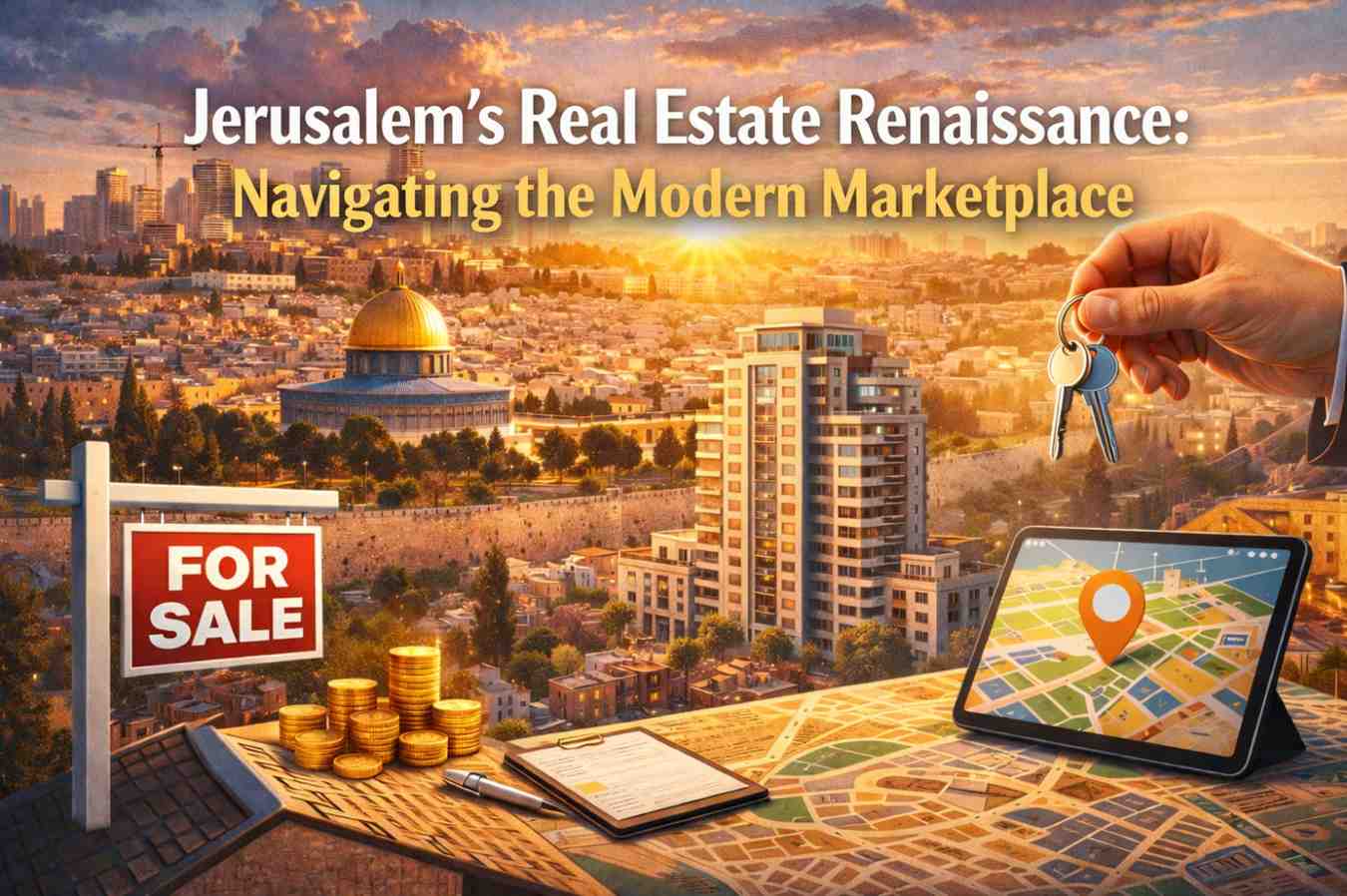
Jerusalem is one of the oldest cities in the world. Its stones hold history, faith, and culture. For decades, its real estate market moved slowly and carefully. Today, that pace has changed. Jerusalem is experiencing a real estate renaissance that is reshaping the city.
New developments rise beside ancient walls. Modern living blends with deep tradition. Investors, families, and global buyers are paying attention. The city is evolving while protecting its identity.
This transformation did not happen overnight. It grew from strong demand, smart planning, and renewed confidence. Understanding this shift helps explain why Jerusalem’s property market is stronger than ever.
A City Rooted in History Yet Moving Forward
Jerusalem carries unmatched historical weight. Every neighborhood tells a story. For years, this history limited large-scale development. Strict regulations protected the city’s character.
Recent years brought a new approach. Planners found ways to modernize without erasing the past. Restoration and innovation now work together. Old buildings gain new life instead of being replaced.
This balance attracts buyers who want both heritage and comfort. People no longer choose between history and quality living. In Jerusalem, they get both.
Rising Demand Drives the Market
Demand fuels any real estate growth. In Jerusalem, demand comes from many directions. Local families seek better housing. Young professionals want modern apartments close to work. Foreign buyers look for long-term investments.
The city’s population continues to grow. Natural growth and migration increase housing needs. Limited land pushes demand even higher.
This pressure raises property values. It also encourages smarter development. Builders focus on efficient design and better use of space.
Demand remains strong because Jerusalem offers something unique. Few cities combine spiritual meaning, political importance, and daily life in the same way.
Urban Renewal Changes Old Neighborhoods
Urban renewal plays a key role in Jerusalem’s transformation. Older neighborhoods now receive major upgrades. Aging buildings are reinforced, expanded, and modernized.
These projects improve safety and comfort. Elevators replace stair-only access. Balconies and parking spaces are added. Infrastructure receives long-overdue upgrades.
Residents benefit from better living conditions. Property values rise as neighborhoods improve. Communities stay intact instead of being displaced.
Urban renewal respects the city’s social fabric. It improves homes while keeping residents connected to their surroundings.
Modern Architecture Meets Traditional Style
Jerusalem’s architecture follows strict guidelines. Stone facades preserve the city’s visual identity. Even new towers must respect this rule.
Architects now design modern interiors behind traditional exteriors. Smart layouts maximize light and space. Energy-efficient systems reduce costs.
This approach attracts buyers who want modern living without losing Jerusalem’s character. It proves that progress does not require sacrifice.
Developers see this as an opportunity, not a limitation. Creativity thrives within these boundaries.
Infrastructure Investment Supports Growth
Real estate does not grow alone. Infrastructure supports every successful market. Jerusalem has invested heavily in transportation and public services.
The light rail expansion improves access across the city. Roads receive upgrades to handle increased traffic. Public spaces become more welcoming and functional.
These improvements raise property appeal. Easy access to work, schools, and cultural sites matters. Buyers look for convenience as much as beauty.
Infrastructure growth also connects Jerusalem to surrounding areas. This expands housing options and eases pressure in central zones.
International Interest Reshapes the Market
Jerusalem attracts global attention. Buyers from North America, Europe, and beyond invest in property here. Some seek second homes. Others look for secure, long-term investments.
International demand adds strength to the market. It increases competition and raises standards. Developers respond with higher-quality finishes and services.
This global interest also stabilizes prices. Foreign buyers often hold properties long-term. That reduces sudden market swings.
Jerusalem’s global importance keeps international interest steady, even during uncertain times.
Luxury Developments Gain Popularity
Luxury real estate now plays a larger role in Jerusalem. High-end projects offer premium amenities. Security, concierge services, and private parking attract wealthy buyers.
These developments often sit near cultural or religious landmarks. Location adds prestige and value.
Luxury projects raise the overall market profile. They attract attention and investment. They also set new standards for design and quality.
While luxury grows, it does not replace affordable housing efforts. Both segments develop side by side.
Affordable Housing Remains a Priority
Jerusalem faces real housing challenges. Prices rise as demand grows. Ensuring affordability remains a major focus.
Government programs support first-time buyers. Urban renewal increases supply without expanding city limits. Smaller unit designs help control costs.
Affordable housing ensures long-term stability. A city must serve teachers, nurses, and young families. Jerusalem recognizes this need.
Balancing luxury and affordability keeps the market healthy.
Technology Shapes Buying and Development
Technology changes how people buy and sell property. Virtual tours allow overseas buyers to explore homes remotely. Digital platforms simplify transactions.
Developers use smart technology in construction. Energy management systems reduce utility costs. Smart home features attract modern buyers.
Data also guides planning decisions. Market analysis helps developers match supply with demand.
Technology improves efficiency and transparency. It supports trust in the market.
Sustainability Gains Importance
Sustainability matters more than ever. Jerusalem’s climate demands smart building choices. Developers focus on insulation, shading, and natural ventilation.
Green roofs and solar systems appear more often. Water-saving technologies reduce strain on resources.
Sustainable buildings cost less to operate. They also attract environmentally conscious buyers.
This focus aligns with global trends and local needs. Sustainability strengthens long-term value.
Neighborhoods to Watch
Several areas lead Jerusalem’s real estate growth. Talpiot transforms into a mixed-use hub. Katamon attracts families with renewed charm. Rehavia blends prestige with modernization.
Each neighborhood offers a different lifestyle. Some appeal to investors. Others attract long-term residents.
Understanding neighborhood trends helps buyers make informed decisions. Location remains a key factor in value.
Jerusalem’s diversity makes its market rich and complex.
Government Policy Supports Stability
Regulation shapes Jerusalem’s real estate landscape. Planning laws protect heritage while allowing growth. Zoning rules guide density and design.
Government oversight reduces speculative risk. Long approval processes slow reckless development. While frustrating at times, this caution preserves stability.
Policies also encourage renewal and infrastructure investment. Public and private sectors work together.
This regulatory environment builds confidence among buyers and investors.
Cultural and Religious Significance Adds Value
Jerusalem’s spiritual importance affects real estate demand. Proximity to holy sites increases property value. For many buyers, emotional connection matters as much as profit.
Religious tourism supports rental markets. Short-term and long-term rentals thrive in key areas.
Cultural institutions, museums, and universities add vibrancy. They attract residents who value education and culture.
This unique mix keeps demand strong across different buyer groups.
Challenges Remain
No market is without challenges. High prices limit access for some buyers. Limited land restricts supply. Political tension can affect perception.
Jerusalem addresses these challenges through careful planning. Renewal projects maximize existing space. Infrastructure investment improves efficiency.
Long-term vision matters more than short-term obstacles. The city continues to adapt.
Challenges exist, but they do not stop progress.
Long-Term Outlook Looks Strong
Jerusalem’s real estate renaissance shows no signs of slowing. Demand remains steady. Development continues with care and respect.
The city offers stability in an uncertain world. Its unique position supports long-term value.
Investors see Jerusalem as a safe haven. Families see it as a place to build a future.
This confidence fuels continued growth.
Why This Renaissance Matters
Jerusalem’s transformation is not just about buildings. It reflects a city embracing its future. Growth happens without losing identity.
Real estate plays a central role in this story. Homes shape daily life. Neighborhoods shape communities.
By investing wisely, Jerusalem invests in its people.
Final Thoughts
Jerusalem stands at a rare intersection of past and future. Its real estate renaissance proves that tradition and progress can coexist. Smart development, strong demand, and careful planning drive this change.
For buyers, investors, and residents, Jerusalem offers opportunity and meaning. Each stone tells a story, and each new home adds a chapter.
This renaissance is not a trend. It is a long-term evolution. Jerusalem continues to grow, adapt, and inspire, one home at a time.

Hi, I’m Gudda Singh Rauthan, but most people call me Gudda. Originally from Jaspur, Uttarakhand, my journey has been full of struggles and learning. I’ve worked in various fields, from factory labor to the BPO industry, and along the way, I discovered my love for writing. Through this blog, I share my experiences and insights to help others build a winning mindset and stay motivated, no matter the challenges they face.