
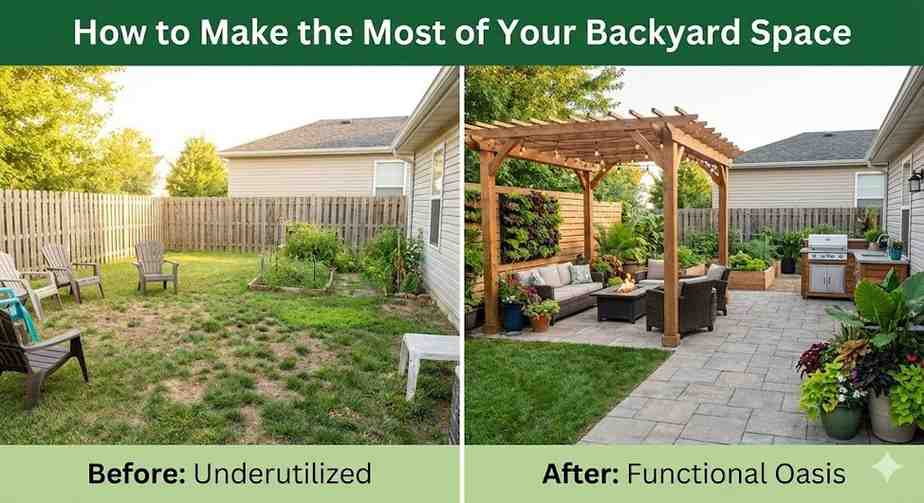
Your backyard holds more potential than you may realize. Many people see it as unused space, but with the right approach, it can become one of the most valuable parts of your home. In 2026, homeowners focus more on comfort, functionality, and outdoor living.
Making the most of your backyard does not require a huge budget. It requires planning, smart choices, and consistent care. This guide explains how to turn any backyard into a useful, inviting space.
Start With a Clear Purpose
Every successful backyard begins with a purpose. Without direction, space gets wasted. Before making changes, decide how you want to use the area.
Ask yourself what matters most. Do you want relaxation, entertainment, gardening, or play space? Some backyards serve one purpose, while others combine several.
Clear goals guide every decision. They help you design a space that fits your lifestyle.
Measure and Understand Your Space
Understanding size and layout matters. Many people misjudge their backyard dimensions. This leads to overcrowding or poor flow.
Measure the area carefully. Note slopes, sunlight patterns, and existing features. Pay attention to shade, wind, and drainage.
This knowledge helps you plan wisely. It prevents costly mistakes later.
Divide the Backyard Into Zones
Zoning creates structure and balance. Even small backyards benefit from defined areas. Each zone serves a specific function.
Common zones include seating, dining, play, and garden areas. Paths or plant borders can separate them visually. This keeps the space organized.
Zoning makes backyards feel larger. It improves movement and usability.
Choose Multi-Functional Furniture
Furniture takes up valuable space. Multi-functional pieces solve this problem. They offer flexibility without clutter.
Look for benches with storage, foldable tables, or stackable chairs. Some seating doubles as planters or storage boxes.
These choices maximize function. They keep the backyard clean and adaptable.
Use Vertical Space Wisely
Backyards extend upward, not just outward. Vertical space often goes unused. Smart vertical design creates more room.
Install wall planters, trellises, or hanging gardens. Vertical shelves can hold plants or decor. Fences also support climbing greenery.
Vertical elements add depth. They free up ground space for movement.
Prioritize Comfortable Seating
Comfort determines how often you use your backyard. Hard or awkward seating discourages relaxation. Comfortable seating invites people to stay longer.
Choose weather-resistant cushions and ergonomic designs. Place seating where shade or breeze feels pleasant. Add pillows or throws for warmth.
Comfort transforms the backyard into a living space. It becomes an extension of your home.
Improve Lighting for Extended Use
Lighting changes how you experience outdoor space. Poor lighting limits use to daytime hours. Good lighting extends enjoyment into the evening.
Use a mix of ambient, task, and accent lighting. Solar lights work well for pathways. String lights add warmth and charm.
Proper lighting improves safety. It also creates atmosphere and mood.
Add Shade and Weather Protection
Weather affects backyard usability. Too much sun or rain limits comfort. Shade solutions make a big difference.
Options include umbrellas, pergolas, shade sails, or trees. Choose based on space and climate. Temporary solutions work for flexibility.
Weather protection increases usage. It allows enjoyment across seasons.
Incorporate Greenery Thoughtfully
Plants define outdoor spaces. They add life, color, and calm. Thoughtful planting improves both beauty and function.
Choose plants suited to your climate and soil. Mix heights and textures for interest. Use plants to create privacy or boundaries.
Healthy greenery enhances air quality. It also softens hard surfaces.
Create Privacy Without Closing Off Space
Privacy matters, especially in shared neighborhoods. However, solid barriers can feel restrictive. Balance openness with comfort.
Use hedges, screens, or tall plants instead of walls. Lattice panels offer partial privacy. Curtains on pergolas add flexibility.
Smart privacy solutions keep spaces inviting. They maintain airflow and light.
Optimize Storage Solutions
Clutter ruins outdoor spaces. Tools, toys, and accessories need storage. Without it, the backyard feels chaotic.
Use weatherproof storage boxes or sheds. Benches with storage serve dual purposes. Vertical storage saves ground space.
Good storage keeps areas tidy. It protects items from damage.
Design for Easy Maintenance
Low-maintenance designs save time and money. Complex layouts require constant upkeep. Simple choices reduce effort.
Choose durable materials and native plants. Limit lawn areas if possible. Automated irrigation helps manage watering.
Easy maintenance ensures long-term enjoyment. It keeps the backyard functional without stress.
Add Personal Touches and Decor
Personal details make spaces feel welcoming. Without them, backyards feel generic. Decor adds character and warmth.
Use rugs, artwork, or planters. Choose colors that reflect your style. Seasonal decor keeps the space fresh.
Personal touches increase emotional connection. They make the backyard truly yours.
Include a Dining or Cooking Area
Outdoor dining increases backyard value. Even small spaces can support simple setups. A table and grill go a long way.
Position dining areas near the house for convenience. Ensure enough lighting for evening meals. Use weather-resistant materials.
Outdoor meals encourage social time. They create memorable experiences.
Plan for Entertainment and Activities
Backyards support fun and relaxation. Plan activities that suit your household. This keeps the space active.
Options include fire pits, games, or outdoor speakers. Children may need play zones. Adults may enjoy quiet corners.
Entertainment features increase usage. They add lifestyle value.
Use Pathways to Improve Flow
Movement matters in design. Without clear paths, backyards feel cramped. Pathways guide movement naturally.
Use stepping stones, gravel, or pavers. Keep paths wide enough for comfort. Align them with zones.
Good flow improves safety and appearance. It makes the space feel intentional.
Consider Water Features Carefully
Water features add calm and beauty. However, they require planning. Size and maintenance matter.
Small fountains work well in limited spaces. Choose recirculating systems to save water. Ensure safety if children are present.
Water elements enhance relaxation. They also mask noise.
Adapt the Space for All Seasons
Year-round usability increases value. Seasonal planning keeps the backyard relevant. Small adjustments make big differences.
Use heaters or fire pits in cooler months. Shade and misting systems help in summer. Change decor with seasons.
Seasonal adaptability extends enjoyment. It maximizes return on investment.
Balance Open Space and Features
Overcrowding reduces comfort. Every backyard needs open space. This allows movement and flexibility.
Avoid filling every corner. Leave room for spontaneous use. Open areas create balance.
Balanced design feels calm. It prevents visual overload.
Test and Adjust Over Time
Backyard design evolves. What looks good on paper may feel different in use. Testing reveals real needs.
Spend time using the space. Notice what works and what does not. Adjust furniture or zones as needed.
Ongoing improvement leads to better results. It ensures long-term satisfaction.
Final Thoughts
Making the most of your backyard space requires intention and planning. It does not require perfection or excess spending. Small, smart choices create meaningful change.
Focus on comfort, function, and flow. Design for your lifestyle and future needs. Maintain the space consistently.
In 2026, backyards matter more than ever. With the right approach, yours can become a place of comfort, connection, and lasting value.

Hi, I’m Gudda Singh Rauthan, but most people call me Gudda. Originally from Jaspur, Uttarakhand, my journey has been full of struggles and learning. I’ve worked in various fields, from factory labor to the BPO industry, and along the way, I discovered my love for writing. Through this blog, I share my experiences and insights to help others build a winning mindset and stay motivated, no matter the challenges they face.