
For a long time, Tonbridge was seen as the slightly quieter, more sensible younger brother to Royal Tunbridge Wells. It didn’t have the flashy colonnades or the historic “Pantiles” fame, but things have changed quite drastically over the last few years. If you take a stroll down the High Street on a Saturday morning, you’ll see exactly what I mean. The town is buzzing. It’s no longer just a place people move to because they were priced out of Sevenoaks; it’s become the first choice. For many people making the leap from London, navigating the local market requires the help of reliable Tonbridge letting agents to find that perfect balance between a short walk to the station and being in the right catchment area for the grammars. It’s this combination of practical connectivity and an increasingly vibrant local culture that is pulling in families and young professionals in droves.
The “Grammar School” Effect
You really can’t talk about Tonbridge without talking about the schools. It is arguably the biggest driver of the local property market. We see this quite often: a family will be living happily in South London or even elsewhere in Kent, but the moment the 11-plus results come in, the “Tonbridge scramble” begins.
Having The Judd School, Tonbridge Girls Grammar (TGS), and Weald of Kent all within striking distance is a massive draw. Buyers and tenants usually ask about the “distance to gate” measurements before they even ask about the state of the kitchen. Because of this, the area around the “Slade”—which is tucked just behind the castle—and the roads fanning out towards the schools like Shipbourne Road have become incredibly competitive. Even in a cooling national market, these pockets of Tonbridge tend to hold their value simply because the demand for a top-tier education never goes out of style.
The Rail Hub Advantage
If you’re a professional working in the City, Tonbridge is a bit of a dream. While neighbouring towns have decent links, Tonbridge is a major rail junction. This means the service is frequent and, more importantly, fast. You can be at London Bridge in about 35 to 40 minutes.
To be honest, that’s better than many parts of the London suburbs. We hear from commuters all the time who moved here from places like Bromley or Croydon because they realised they could actually have a seat on the train and a much nicer house for the same money. There’s also the “Tunbridge Wells seated” factor. Because the trains often stop at Tonbridge after starting at Tunbridge Wells, you’re much more likely to get a seat if you’re heading in during the morning rush. It sounds like a small thing, but if you’re doing that trip five days a week, it’s a game-changer.
A High Street with a Soul
There was a time, maybe ten or fifteen years ago, when Tonbridge High Street felt a bit tired. It was mostly banks and charity shops. But the regeneration has been impressive. We’ve seen a real influx of independent businesses that have given the town a new lease of life.
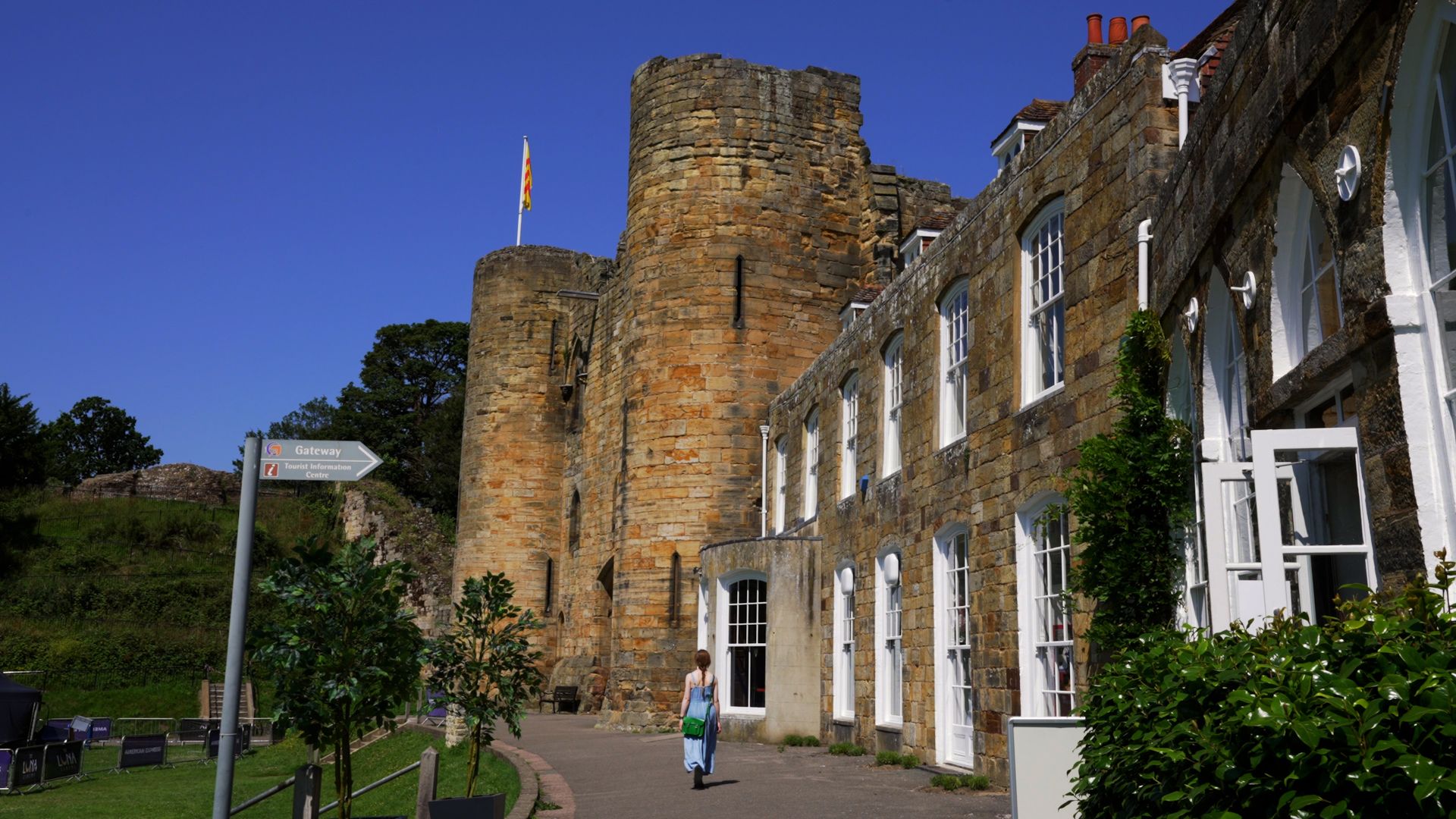
Places like Verdigris for a fancy dinner or the various craft beer spots have made Tonbridge a destination in its own right. Then you have the park and the castle. Tonbridge Racecourse Park is probably one of the best green spaces in Kent—perfect for kids, dogs, and the occasional summer festival. It’s that blend of having a historic landmark (the castle is actually quite impressive when you’re standing at the gatehouse) and modern amenities that makes the town feel “lived in” rather than just a dormitory for London.
Victorian Terraces vs. Modern Developments
The property stock here is as varied as the people moving in. You’ve got the classic Victorian terraces near the station—highly prised by young couples who want high ceilings and original fireplaces.
Then you have the newer developments like Somerhill Green or the apartments appearing in the town centre. These appeal to a different crowd—professionals who want “plug and play” living with low maintenance costs. Interestingly, we’ve seen a trend where people start in a modern flat near the station and then, as the family grows, they move “up the hill” towards the semi-detached homes in North Tonbridge. The “South Side” of the town, near the station and the High Street, remains the most expensive per square foot, but you get a lot more house for your money if you’re willing to walk fifteen minutes further out.
The Community Vibe
One thing people always mention after they’ve lived here for six months is how friendly the town is. Because so many people are in the same boat—young families, commuters, people looking for a bit more space—there’s a real sense of community.
Whether it’s the local football clubs, the rowing club on the Medway, or just the parent groups at the local primaries like Slade or Sussex Road, it’s easy to build a life here. Unlike some of the more “starchy” towns nearby, Tonbridge feels grounded. It doesn’t try too hard to be posh; it’s just a really good, well-connected place to live.
Market-wise, we expect the town to remain a stronghold. With the ongoing improvements to the station and the continued investment in the High Street, Tonbridge isn’t just surviving the current economic climate—it’s thriving. If you’re looking for that sweet spot where commute meets community and education meets environment, it’s hard to find a better town in the Southeast.
