
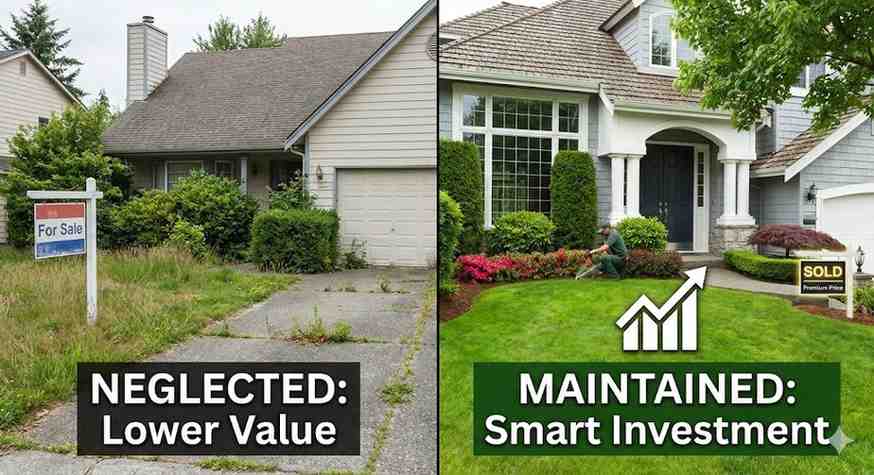
Many people see landscape maintenance as an expense. In reality, it is an investment that delivers long-term value. Well-maintained landscapes improve appearance, protect property, and reduce future costs.
In 2026, property owners and businesses focus more on sustainability and value. Regular landscape maintenance supports both goals. It keeps outdoor spaces healthy, functional, and visually appealing.
This article explains why consistent landscape care makes financial sense. It uses simple language and practical examples. It shows how maintenance saves money over time.
Improves Property Value Consistently
First impressions matter. Landscapes shape how people perceive a property. Clean lawns, trimmed plants, and healthy trees increase curb appeal.
Properties with maintained landscapes attract higher buyers and tenants. They look cared for and valuable. This perception directly impacts market value.
Regular maintenance prevents decline. It protects your investment by keeping the property attractive year-round.
Reduces Costly Repairs Over Time
Neglected landscapes lead to expensive problems. Overgrown roots damage walkways and foundations. Poor drainage causes soil erosion and flooding.
Routine maintenance identifies issues early. Small fixes cost less than major repairs. Regular inspections prevent problems from growing.
This proactive approach saves money. It protects structures and outdoor features from long-term damage.
Extends the Life of Plants and Trees
Plants need care to survive and thrive. Without maintenance, plants weaken and die early. Replacing mature plants costs more than maintaining them.
Regular pruning, watering, and soil care improve plant health. Strong plants resist disease and pests better. Healthy trees also reduce safety risks.
Longer plant life means fewer replacements. This lowers long-term landscaping costs significantly.
Enhances Safety Across the Property
Safety often gets overlooked in landscaping. Overgrown bushes block visibility. Uneven ground causes trips and falls.
Regular maintenance keeps pathways clear and surfaces level. It removes dead branches that could fall and cause injury. Proper lighting exposure improves visibility.
Safer landscapes reduce liability risks. They protect residents, visitors, and employees.
Saves Water Through Efficient Practices
Water costs continue to rise. Poorly maintained landscapes waste water through leaks, runoff, and inefficient irrigation.
Routine maintenance checks irrigation systems. It ensures correct watering schedules and detects leaks early. Healthy soil also retains moisture better.
Efficient water use lowers utility bills. It also supports environmental responsibility.
Prevents Pest and Weed Infestations
Weeds and pests spread quickly in unmanaged landscapes. Once established, they become expensive to control.
Regular maintenance removes weeds before they spread. It monitors pest activity and applies treatments early. Healthy plants also resist infestations better.
Early prevention costs less than large-scale pest control. It also protects surrounding areas from contamination.
Supports Environmental Sustainability
Sustainable landscaping starts with maintenance. Healthy plants absorb carbon and improve air quality. Proper soil care prevents erosion and runoff.
Regular care reduces the need for harsh chemicals. Balanced ecosystems control pests naturally. Mulching and composting improve soil health.
Sustainable landscapes lower environmental impact. They also align with modern environmental standards and expectations.
Improves Outdoor Usability
Outdoor spaces should invite use. Poorly maintained areas discourage activity and relaxation. People avoid spaces that look neglected.
Regular maintenance keeps lawns usable and clean. Trimmed plants create open, welcoming areas. Seasonal updates keep spaces functional year-round.
Usable outdoor areas add value. They support recreation, events, and daily enjoyment.
Enhances Brand Image for Businesses
For businesses, landscapes reflect brand quality. Customers notice exterior conditions before entering. A clean landscape signals professionalism.
Regular maintenance supports brand consistency. It shows attention to detail and care. This perception builds trust.
A strong first impression can influence customer decisions. Landscapes play a key role in that experience.
Increases Employee Satisfaction and Productivity
Work environments extend outdoors. Employees appreciate clean, green surroundings. Well-maintained landscapes reduce stress and improve mood.
Outdoor break areas become more inviting. Views of greenery boost focus and creativity. These benefits support productivity.
Investing in maintenance supports employee well-being. It also strengthens workplace culture.
Protects Hardscape Investments
Landscapes include more than plants. Walkways, patios, retaining walls, and fences need care too. Neglect shortens their lifespan.
Regular cleaning prevents moss and algae buildup. Inspections catch cracks and shifts early. Proper drainage protects surfaces from damage.
Maintained hardscapes last longer. This protects expensive infrastructure investments.
Adapts Landscapes to Seasonal Changes
Landscapes change with seasons. Without care, seasonal stress damages plants and soil. Extreme weather increases these risks.
Regular maintenance prepares landscapes for each season. It includes pruning, mulching, and soil conditioning. Seasonal planning reduces weather-related damage.
Prepared landscapes recover faster. This reduces replacement and repair costs.
Improves Compliance With Local Regulations
Many areas have landscape standards. These include grass height, tree care, and drainage requirements. Non-compliance leads to fines or legal issues.
Regular maintenance ensures compliance. It keeps properties aligned with local rules. It also avoids complaints and penalties.
Compliance protects reputation and finances. Maintenance simplifies this responsibility.
Controls Long-Term Maintenance Costs
Skipping maintenance seems cheaper short-term. Over time, costs increase sharply. Deferred care leads to major overhauls.
Regular maintenance spreads costs evenly. It avoids sudden large expenses. Budgeting becomes easier and more predictable.
Consistent care provides financial stability. It prevents unexpected landscaping emergencies.
Improves Soil Health and Structure
Healthy soil supports healthy landscapes. Poor soil leads to weak plants and erosion. Fixing soil problems later costs more.
Routine maintenance includes soil testing and treatment. Aeration improves structure and drainage. Organic matter increases nutrient levels.
Healthy soil reduces fertilizer and water needs. This lowers ongoing expenses.
Enhances Community Appeal and Pride
Well-maintained landscapes improve neighborhoods. They create pride among residents and owners. Clean outdoor spaces encourage care and respect.
Communities with strong landscapes feel safer and more welcoming. This attracts residents and visitors alike.
Shared outdoor beauty adds social value. It strengthens community identity.
Supports Long-Term Planning and Design
Maintenance reveals how landscapes perform over time. It highlights what works and what fails. This insight supports better planning.
Regular observation guides future upgrades. It prevents repeating design mistakes. Landscapes evolve intelligently through care.
Smart planning reduces waste. It improves return on investment.
Adds Emotional and Psychological Value
Green spaces affect mental health. Maintained landscapes create calm and comfort. Neglected spaces cause stress.
Regular care ensures spaces feel inviting. Nature becomes a positive presence. This emotional value matters.
Well-being adds intangible returns. These benefits extend beyond finances.
Final Thoughts
Regular landscape maintenance is not an optional cost. It is a smart investment with measurable returns. It protects property value, reduces risks, and saves money over time.
Consistent care prevents problems before they grow. It supports safety, sustainability, and usability. It also improves perception and satisfaction.
In 2026, smart property owners think long-term. Regular landscape maintenance delivers value today and security for the future.

Hi, I’m Gudda Singh Rauthan, but most people call me Gudda. Originally from Jaspur, Uttarakhand, my journey has been full of struggles and learning. I’ve worked in various fields, from factory labor to the BPO industry, and along the way, I discovered my love for writing. Through this blog, I share my experiences and insights to help others build a winning mindset and stay motivated, no matter the challenges they face.