

Image via Pexles
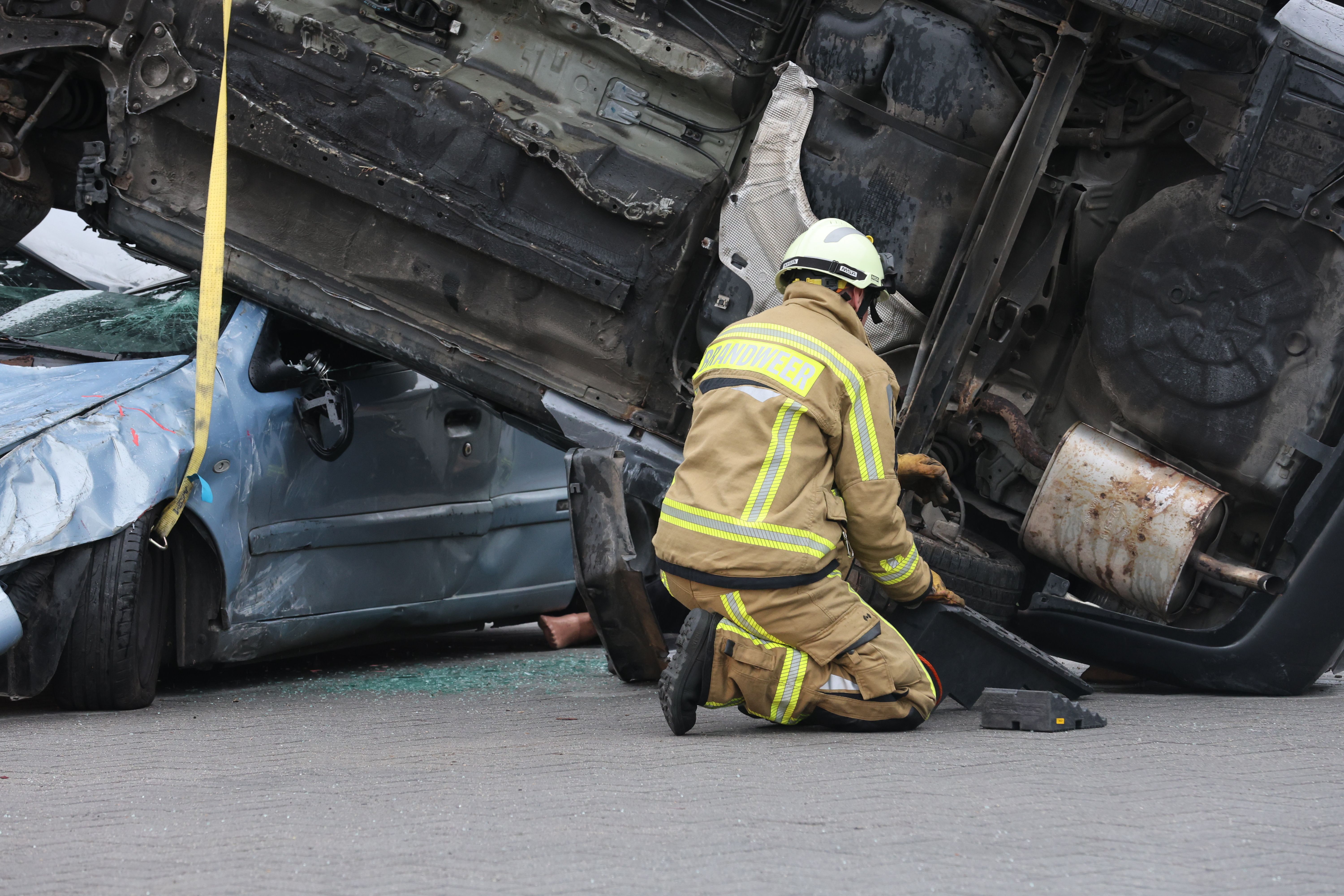
Being involved in a major car accident can be one of the most frightening and disorienting experiences of your life. In the moments and days following the collision, your mind and body are flooded with adrenaline, shock, and a cascade of emotions that can feel overwhelming. The immediate aftermath requires clear thinking and quick action, but the long-term recovery involves far more than just repairing a vehicle or settling an insurance claim. The psychological and physical toll of a serious accident can linger for months or even longer if you do not address it properly. Understanding how to navigate both the practical and emotional aspects of recovery is essential for regaining your sense of safety and normalcy. This guide provides comprehensive strategies for coping effectively after a major car accident.
1. Addressing Your Immediate Physical Health
The first priority following any major car accident is to ensure your physical safety and assess whether you need emergency medical attention. Even if you feel fine in the moments after the collision, shock can mask serious injuries. Some injuries, like internal bleeding or traumatic brain injury, may not present obvious symptoms right away, which is why seeking medical evaluation is critical. You should call emergency services if anyone involved in the accident appears to have serious injuries, or if you feel significant pain, dizziness, or loss of consciousness. A medical professional can perform a thorough examination and document any injuries, which is also important for insurance and legal purposes. Do not decline medical treatment at the scene simply because you think you feel okay.
After receiving initial emergency care, follow up with your primary care physician or a specialist within a few days. Describe all your symptoms in detail, even minor ones that might seem insignificant. Whiplash, for example, can develop over hours or days and causes neck and shoulder pain, headaches, and difficulty concentrating. Your doctor can order imaging tests like X-rays or MRI scans if needed to rule out fractures, disc injuries, or other serious damage. Keep detailed records of all medical visits, treatments, and prescribed medications, as this documentation may be necessary for insurance claims or legal proceedings. Follow your doctor’s recommendations for physical therapy or rehabilitation, even if the sessions feel inconvenient or tedious, because proper recovery now prevents chronic pain and disability later.
2. Managing Shock and Immediate Emotional Responses
The emotional impact of a car accident is real and valid, even if you were fortunate enough to walk away without serious physical injury. Shock is your nervous system’s way of protecting you from overwhelming sensations and emotions. You might feel numb, confused, or strangely calm in the hours after the accident, which can actually interfere with your ability to think clearly and handle practical matters. It is common to experience emotional numbness followed by a delayed emotional reaction as the shock wears off. You may find yourself crying unexpectedly or feeling anxious about situations that did not bother you before the accident. Recognize these responses as normal reactions to a traumatic event rather than signs of weakness or overreaction.
Talk to someone you trust about what happened as soon as possible. Sharing your experience with a family member, close friend, or counselor helps externalize the trauma and prevents you from getting stuck in rumination. Avoid isolating yourself, even if you feel embarrassed about the accident or worried about burdening others. People who care about you want to support you through difficult times.
If you find yourself unable to eat, sleep, or concentrate in the days following the accident, these are signs that you may benefit from professional mental health support. A therapist or counselor can teach you coping strategies and help you process the trauma in a structured way. Some people benefit from writing about their experience in a journal as a way of organizing their thoughts and managing their emotions. Reaching out early rather than waiting for symptoms to worsen gives you a stronger foundation for recovery.
3. Navigating Insurance and Documentation
In the aftermath of a major car accident, you will need to interact with insurance companies, possibly law enforcement, and potentially legal professionals. Start by gathering as much documentation as possible from the accident scene and the events that follow. Take photographs of vehicle damage, the accident scene, weather conditions, road conditions, and any visible injuries. Obtain the names, phone numbers, and insurance information of all other parties involved. Get contact information for any witnesses who saw the accident occur, as their statements can be valuable later. If a police report was filed, request a copy for your records, as this documentation serves as objective evidence of what happened and can support your insurance claim.
Contact your insurance company promptly to report the accident, but do so carefully. Provide factual information about what happened without admitting fault or speculating about causes. Insurance adjusters are trained to minimize payouts, so stick to the facts and avoid phrases like “I think I might have caused the accident” or “I am sorry the accident happened.” Keep records of every conversation you have with your insurance company, including the date, time, and the name of the person you spoke with. Save all receipts and invoices related to the accident, including car rental costs, transportation to medical appointments, and out-of-pocket medical expenses. Many of these costs may be recoverable through your insurance claim or through the at-fault party’s insurance.
4. Addressing Physical Recovery and Rehabilitation
Once you have received initial medical attention, your focus shifts to longer-term physical recovery. Depending on the severity of your injuries, this might involve physical therapy, chiropractic care, massage therapy, or other rehabilitative treatments. Physical therapy helps restore your range of motion, reduce pain, and rebuild strength after an accident. Your therapist will guide you through exercises designed specifically for your injuries and may use techniques like stretching, strengthening exercises, or hands-on manual therapy. Attend all scheduled appointments and perform any exercises or stretches your therapist recommends at home, because your active participation significantly affects how quickly you heal.
Pain management after an accident can be challenging, and you should discuss all options with your healthcare provider. Some people benefit from over-the-counter pain relievers, while others need prescription medications for more severe pain. Never take more medication than directed, and discuss any concerns about dependence or side effects with your doctor. Non-medication approaches like ice and heat therapy, rest, gentle movement, and posture adjustment can also provide relief. If you experience chronic pain that does not improve after several weeks or months, ask your doctor about additional options, as some people find relief through alternative treatments like acupuncture. Remember that recovery takes time, and pushing yourself too hard too quickly can delay healing or cause re-injury.
5. Rebuilding Confidence and Addressing Driving Anxiety
Many people experience anxiety about driving after a major car accident, and this reaction is completely normal. The accident has shown you that driving carries real risks, and your brain may become hypervigilant about dangers on the road. You might feel nervous about getting back behind the wheel, experience panic attacks when driving, or find yourself replaying the accident scenario in your mind. Some people become anxious only in situations similar to the accident, such as driving on the same road or in similar weather conditions, while others develop more generalized driving anxiety that affects them on any roadway. Avoiding driving may seem like a solution, but it typically strengthens anxiety over time rather than resolving it.
Gradual exposure is an effective way to rebuild your confidence. Start by sitting in your car without driving, then move to driving short distances on quiet roads before returning to busier streets or highways. Consider asking a trusted friend or family member to ride with you during these early drives, as their presence can be reassuring and provide both emotional support and practical help if you need to stop or pull over. If your anxiety is severe or does not improve with gradual exposure, consider working with a therapist who specializes in anxiety or trauma. Cognitive-behavioral therapy helps you identify and challenge anxious thoughts and gradually increase your comfort with driving. Some people also benefit from a defensive driving course, which builds practical skills and knowledge about accident prevention, and as your confidence grows through successful drives, anxiety naturally diminishes.
6. Building Long-Term Coping Strategies and Moving Forward
Recovering from a major car accident is not just about healing from physical injuries or completing paperwork. It involves processing the psychological impact and integrating the experience into your life narrative in a way that does not define your future. Long-term coping requires developing strategies for managing stress, anxiety, and any ongoing trauma responses. Regular exercise, a healthy diet, and adequate sleep support both physical and mental recovery. Exercise has been shown to be beneficial for managing anxiety and depression, so aim for at least 30 minutes of moderate activity most days of the week, whether that includes walking, swimming, yoga, or any activity you enjoy.
Mindfulness and relaxation techniques can help you manage anxiety and intrusive thoughts. Meditation, deep breathing exercises, progressive muscle relaxation, and guided imagery are all evidence-based techniques that reduce stress and anxiety. Even just five to ten minutes of daily practice can make a measurable difference in how you feel. If certain sounds, images, or locations trigger anxiety or flashbacks, it is acceptable to avoid them temporarily, but you should also work gradually toward reprocessing these triggers through therapy, since complete avoidance can reinforce anxiety over time. Consider joining a support group for accident survivors, where you can connect with others who understand your experience and share practical coping strategies. Survivors who have faced the most extreme circumstances, such as those who process their near death experience survior’s struggle in structured group settings, often report that shared community and professional guidance play a decisive role in their long-term healing.
The timeline for emotional recovery varies widely depending on the severity of the accident, your personal resilience, previous trauma history, and the strength of your support system. Some people feel significantly better within weeks, while others need several months or longer to reach a stable baseline. Post-traumatic stress disorder, anxiety disorders, and depression can all develop after a serious accident, and there is no shame in seeking professional help if you notice persistent symptoms such as recurring nightmares, emotional numbness, or an inability to function in daily life. A mental health professional can assess your specific situation and recommend appropriate treatment, which might include therapy, medication, or a combination of both approaches. Recovery is not linear, and you may experience days where anxiety increases again after a period of improvement, which is a normal and expected part of the healing process. Celebrate small victories as your confidence grows and your symptoms diminish, because with time, support, and active engagement in your recovery, you can rebuild your sense of safety and return to the activities and relationships you value.
Conclusion
Coping after a major car accident involves addressing immediate medical needs, managing shock and emotional responses, handling insurance and documentation, pursuing physical rehabilitation, rebuilding driving confidence, and developing long-term coping strategies. The physical injuries may eventually heal, but the psychological impact requires just as much attention and care. Do not hesitate to seek professional support from medical doctors, therapists, insurance professionals, or support groups as you navigate your recovery. Your emotional reactions are valid and normal, and healing takes time. By taking active steps to address both the practical and psychological aspects of your recovery, you give yourself the best chance of returning to your normal life and regaining your confidence on the road. Your accident does not have to define your future, and with patience and support, you can move forward successfully.

Hi, I’m Gudda Singh Rauthan, but most people call me Gudda. Originally from Jaspur, Uttarakhand, my journey has been full of struggles and learning. I’ve worked in various fields, from factory labor to the BPO industry, and along the way, I discovered my love for writing. Through this blog, I share my experiences and insights to help others build a winning mindset and stay motivated, no matter the challenges they face.