
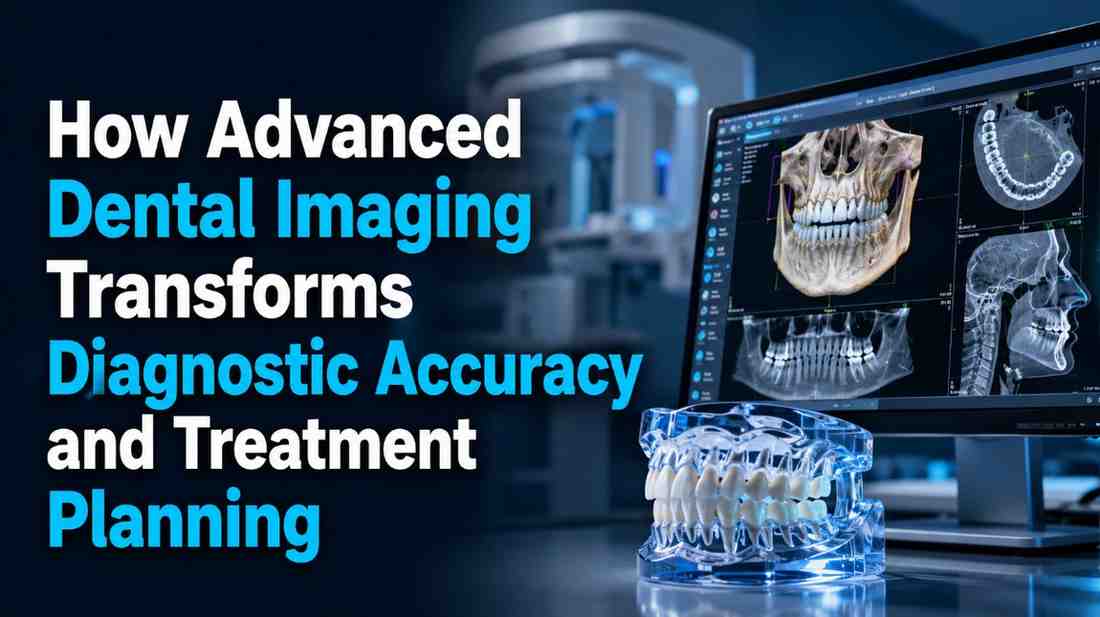
The Revolution in Modern Dental Diagnostics
The landscape of dental care has undergone a remarkable transformation over the past two decades, with advanced imaging technologies leading the charge towards unprecedented diagnostic precision. Gone are the days when dentists relied solely on traditional X-rays and visual examinations to detect oral health issues. Today’s dental practices employ sophisticated imaging systems that reveal intricate details of dental structures, enabling practitioners to identify problems that would have remained hidden using conventional methods. This technological evolution has fundamentally altered how a private dentist Manchester approaches diagnosis and treatment planning, offering patients more accurate assessments and tailored therapeutic interventions.
Modern imaging modalities have become indispensable tools in contemporary dentistry, allowing clinicians to visualise anatomical structures in three dimensions with exceptional clarity. These advancements have proven particularly valuable for complex procedures such as implant placement, endodontic treatment, and orthodontic planning. When seeking comprehensive dental care from a private dentist patients can expect access to these cutting-edge diagnostic technologies that enhance both safety and outcomes.
Understanding Cone Beam Computed Tomography
Cone Beam Computed Tomography, commonly known as CBCT, represents one of the most significant breakthroughs in dental imaging technology. Unlike traditional two-dimensional radiographs, CBCT produces three-dimensional images of dental structures, soft tissues, nerve pathways, and bone in a single scan. This comprehensive visualisation enables dental professionals to examine the oral cavity from multiple angles and perspectives, providing insights that were previously unattainable. The technology employs a cone-shaped X-ray beam that rotates around the patient’s head, capturing numerous images from different angles which are then reconstructed into a detailed 3D representation.
The advantages of CBCT technology in improving diagnostic precision extend across numerous dental specialities. Oral surgeons utilise these images to plan extractions and assess bone quality before implant placement, whilst endodontists can identify complex root canal systems and hidden anatomical variations that might otherwise complicate treatment. The precision offered by CBCT scanning significantly reduces the risk of complications during procedures and allows for more predictable outcomes.
Digital Impressions and Intraoral Scanning
Complementing advanced imaging systems, intraoral scanners have revolutionised the way dental professionals capture detailed representations of patients’ teeth and gums. These handheld devices create precise digital impressions within minutes, eliminating the discomfort and inconvenience associated with traditional impression materials. The accuracy of these digital models facilitates superior treatment planning, particularly for restorative and cosmetic procedures. Dental laboratories can utilise these digital files to fabricate crowns, bridges, and aligners with exceptional precision, ensuring optimal fit and function.
The integration of intraoral scanning with other imaging technologies creates a comprehensive digital workflow that enhances communication between dental professionals and patients. Practitioners can display real-time visualisations of dental conditions, helping patients understand their oral health status and the rationale behind recommended treatments. This transparency fosters trust and enables informed decision-making throughout the treatment process.
Enhanced Treatment Planning Capabilities
Advanced imaging technologies have fundamentally transformed how dental professionals develop treatment strategies. The detailed anatomical information provided by modern dental imaging systems allows practitioners to simulate procedures virtually before performing them clinically. This capability proves invaluable for complex cases involving multiple disciplines, where coordination between specialists ensures optimal results. Sophisticated software platforms enable dentists to create comprehensive digital treatment plans that account for every variable, from bone density to soft tissue thickness.
The predictability afforded by these advanced planning tools translates directly into improved patient outcomes and reduced treatment times. Surgeons can pre-plan implant positions with millimetre precision, orthodontists can predict tooth movements with greater accuracy, and restorative dentists can design prosthetics that integrate seamlessly with existing dental structures. This level of precision minimises the need for adjustments and revisions, ultimately saving patients time and expense.
The Future of Dental Diagnostics
As imaging technology continues to evolve, the potential for further improvements in diagnostic accuracy and treatment planning appears boundless. Artificial intelligence algorithms are beginning to assist in image interpretation, identifying pathologies that might escape the human eye. The ongoing refinement of imaging modalities promises even lower radiation doses, faster scanning times, and enhanced image quality. For patients seeking advanced dental care, these technological innovations represent a commitment to excellence that characterises modern private Manchester practices and progressive dental facilities throughout the United Kingdom, ensuring that oral healthcare continues its trajectory towards ever-greater precision and patient-centred care.

Hi, I’m Gudda Singh Rauthan, but most people call me Gudda. Originally from Jaspur, Uttarakhand, my journey has been full of struggles and learning. I’ve worked in various fields, from factory labor to the BPO industry, and along the way, I discovered my love for writing. Through this blog, I share my experiences and insights to help others build a winning mindset and stay motivated, no matter the challenges they face.