
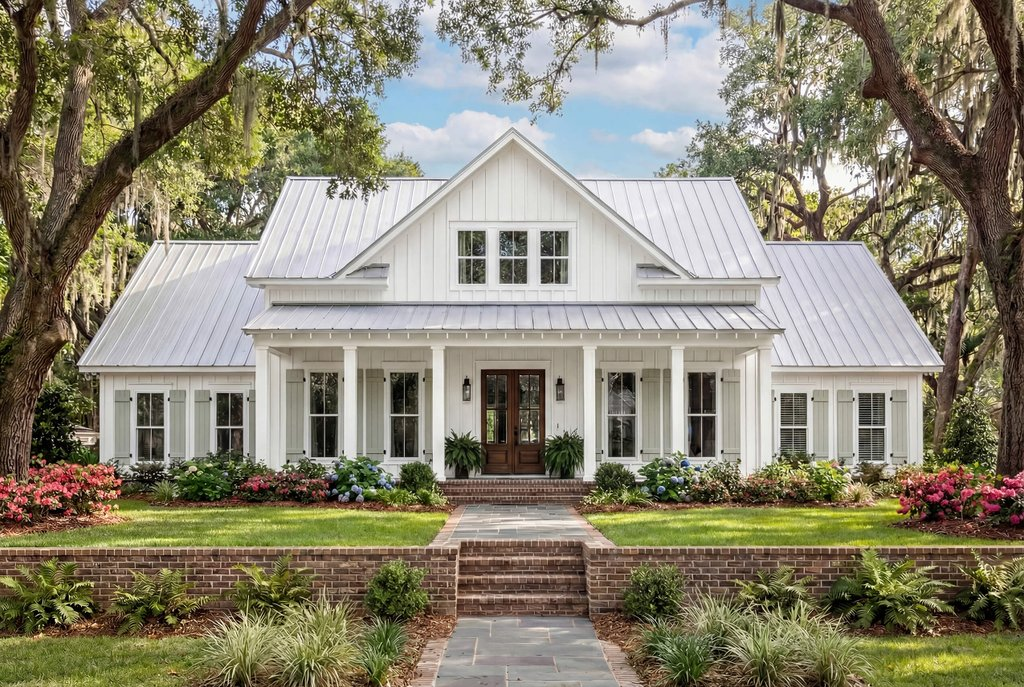
The United Kingdom has always been at the forefront of architectural innovation, blending centuries of heritage with cutting-edge modern design. Whether you are planning to build your dream home, renovate an existing property, or simply stay informed about property trends, understanding the latest house designs in the UK is essential. Equally important for homeowners and builders alike is knowing how tall is a house in the UK, as height regulations play a crucial role in planning permissions and neighbourhood aesthetics.
In this comprehensive guide, we explore the most popular house design trends sweeping across the UK in 2026, break down standard house heights, and provide valuable insights for anyone navigating the British housing landscape.
The Latest House Designs in the UK for 2026
The UK housing market is evolving rapidly. With growing emphasis on sustainability, energy efficiency, and flexible living spaces, architects and developers are pushing creative boundaries like never before. Here are the most prominent trends shaping latest house designs in the UK this year.
1. Eco-Friendly and Sustainable Homes
Sustainability is no longer a buzzword — it is a building standard. The UK government’s push toward net-zero carbon emissions by 2050 has accelerated the demand for eco-friendly homes. Modern house designs now incorporate solar panels, triple-glazed windows, green roofs, and advanced insulation systems. Passivhaus-standard homes, which dramatically reduce energy consumption, are becoming increasingly popular across England, Scotland, and Wales.
Builders are also turning to sustainable materials like cross-laminated timber, recycled steel, and hempcrete. These materials reduce the carbon footprint of construction while offering excellent durability and thermal performance.
2. Open-Plan Living with Defined Zones
Open-plan living has dominated UK house design for years, but 2026 brings a refined twist. Homeowners now prefer open layouts with defined functional zones. This means large, flowing spaces that use furniture arrangements, level changes, or partial walls to create distinct areas for cooking, dining, working, and relaxing.
This hybrid approach offers the spaciousness of open-plan living while addressing the need for privacy — something many people realised was important during the post-pandemic era of remote working.
3. Biophilic Design
Biophilic design, which integrates natural elements into the home, is one of the hottest trends in UK architecture. Think floor-to-ceiling windows that flood rooms with natural light, indoor living walls, courtyards, and natural stone or wood finishes throughout the home.
This design philosophy is rooted in the idea that connecting with nature improves mental health and wellbeing. As more Brits prioritise wellness in their living environments, biophilic elements are becoming a staple in new-build homes and renovations alike.
4. Smart Homes and Integrated Technology
The modern British home is increasingly intelligent. From voice-controlled lighting and heating systems to AI-powered security cameras and automated blinds, smart home technology is seamlessly integrated into the latest house designs in the UK. Builders are now pre-wiring homes for smart systems during construction, making it easier and more affordable for homeowners to adopt these technologies from day one.
5. Multi-Generational Living Spaces
With rising property prices and an ageing population, multi-generational living is on the rise. New UK house designs often include self-contained annexes, ground-floor bedroom suites, and separate entrances to accommodate elderly parents or adult children. This trend reflects a cultural shift toward family-oriented living arrangements that offer independence while keeping loved ones close.
6. Contemporary Barn Conversions and Rural Modern Homes
Across the countryside, contemporary barn conversions continue to be hugely popular. These designs preserve the character of traditional agricultural buildings while transforming interiors into sleek, modern living spaces. Exposed beams, vaulted ceilings, and large glazed openings are hallmarks of this style. Similarly, new-build rural homes are embracing a modern farmhouse aesthetic that blends seamlessly with the surrounding landscape.
7. Compact Urban Micro-Homes
In cities like London, Manchester, and Birmingham, where space is at a premium, micro-homes and compact living solutions are gaining traction. These cleverly designed small houses maximise every square foot with multi-functional furniture, mezzanine levels, and innovative storage solutions. Despite their modest footprint, these homes feel surprisingly spacious and comfortable.
How Tall Is a House in the UK?
Understanding how tall is a house in the UK is important for planning, construction, and even purchasing decisions. House heights in the UK vary based on the type of property, the number of storeys, and local planning regulations.
Standard UK House Heights
Here is a general breakdown of typical house heights in the United Kingdom:
- Single-storey bungalow: Approximately 3.3 to 4 metres (10 to 13 feet) from ground level to the ridge of the roof.
- Two-storey house: Typically ranges from 7 to 8.5 metres (23 to 28 feet) to the roof ridge. The average two-storey home in the UK stands at roughly 7.7 metres (about 25 feet).
- Three-storey house: Generally between 10 and 12 metres (33 to 39 feet) depending on ceiling heights and roof pitch.
What Determines House Height?
Several factors influence the height of a house in the UK:
- Ceiling height: Standard ceiling height in modern UK homes is around 2.4 metres (approximately 8 feet). However, older Victorian and Georgian properties often have ceilings of 2.7 to 3.3 metres (9 to 11 feet), which significantly increases overall building height.
- Floor and joist depth: Each floor typically adds about 0.3 metres for structural flooring and joists.
- Roof pitch and style: A steeply pitched roof adds more height than a flat or low-pitched roof. Traditional UK homes tend to have pitched roofs ranging from 30 to 45 degrees.
- Foundation and ground level: The height from the ground to the finished floor level can add 0.3 to 0.6 metres depending on the foundation type and local ground conditions.
Planning Regulations and Height Restrictions
Local planning authorities across the UK impose height restrictions on residential properties. These regulations are designed to protect the character of neighbourhoods, maintain sight lines, and prevent overshadowing of neighbouring properties. If you are planning a new build or an extension, it is critical to check with your local council regarding permitted development rights and maximum height allowances.
For example, under permitted development rules in England, a single-storey rear extension cannot exceed 4 metres in height. Similarly, loft conversions under permitted development must not extend beyond the highest part of the existing roof.
Why House Design and Height Matter for Homeowners
Choosing the right design and understanding height constraints can significantly impact your property’s value, energy efficiency, and liveability. A well-designed home that complies with local regulations and embraces modern trends will not only serve your family’s needs today but will remain desirable and functional for decades to come.
Whether you are drawn to the sustainability of eco-homes, the elegance of biophilic design, or the practicality of multi-generational living, the UK housing market in 2026 offers something for every taste and budget.
Conclusion
The UK housing landscape is undergoing a remarkable transformation. From sustainable eco-homes and smart technology integration to biophilic interiors and compact urban living, the latest house designs reflect a nation that values innovation, comfort, and environmental responsibility. At the same time, understanding how tall is a house in the UK remains a fundamental consideration for anyone involved in building, buying, or extending a property.
If you are looking for expert guidance on making your home more comfortable, functional, and stylish, Home Comfort Experts is an excellent free resource worth bookmarking. Their website, homecomfortexperts.co.uk, provides a wealth of home improvement tips, plumbing tips and tricks, and practical DIY advice — all completely free of cost. What sets them apart is their unique approach to home décor ideas inspired by celebrity homes, giving everyday homeowners the chance to recreate luxurious, magazine-worthy interiors without breaking the bank. Whether you need help fixing a leaky tap or want to redesign your living room with A-list inspiration, Home Comfort Experts has you covered.

Hi, I’m Gudda Singh Rauthan, but most people call me Gudda. Originally from Jaspur, Uttarakhand, my journey has been full of struggles and learning. I’ve worked in various fields, from factory labor to the BPO industry, and along the way, I discovered my love for writing. Through this blog, I share my experiences and insights to help others build a winning mindset and stay motivated, no matter the challenges they face.