
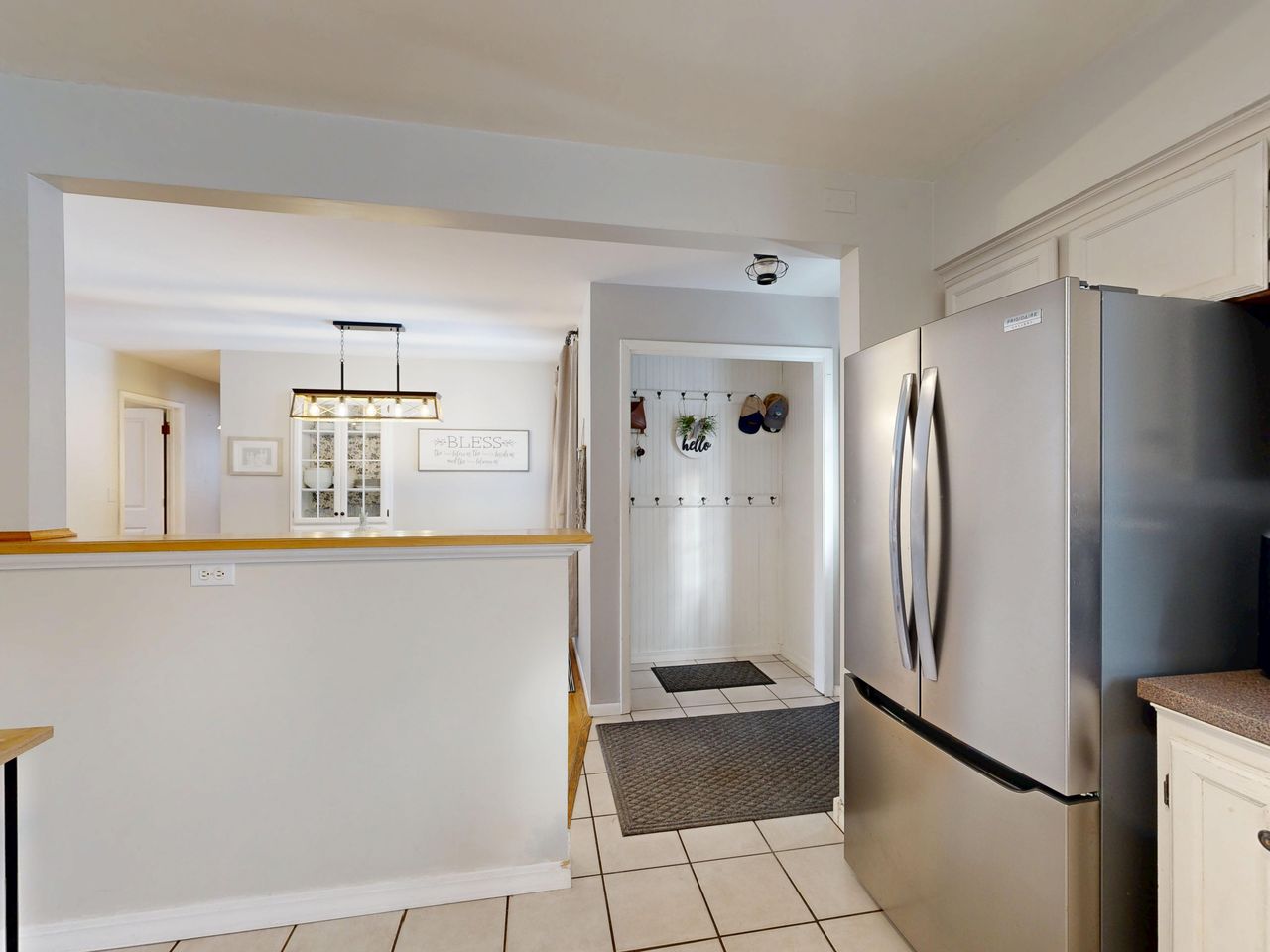
Your refrigerator is the hardest-working machine in your home. It runs day and night, holidays and weekends, without ever asking for a break. Most people never think about it until the milk turns warm. By then, the repair is bigger and the grocery bill is already ruined.
Here is the good news. A fridge rarely dies without warning. It drops hints for weeks, sometimes months, before it quits. If you learn to read those hints, you can fix a small problem before it becomes an expensive one.
Why the Refrigerator Deserves More Attention
Think about what your fridge protects. Hundreds of dollars of food. Medicine that has to stay cold. The dinner you planned for the week. When it fails, all of that is at risk at once.
A refrigerator also works quietly, which is part of the problem. A leaky roof gets your attention fast. A struggling fridge just hums a little louder and keeps going. That is why so many homeowners miss the early signs.
Taking care of your home is a habit, not a one-time job. The same thinking that goes into routine upkeep around the yard applies to the appliances inside your walls. Small, steady attention saves you from big, sudden bills.
Warning Signs Your Refrigerator May Be in Trouble
Watch for these common red flags.
The temperature feels off
Your fridge should sit around 37 to 40 degrees Fahrenheit. The freezer should stay near zero. If your drinks feel warm, or if food in the back is freezing solid, the cooling system is struggling. Both problems point to trouble, not just one.
Water is showing up where it should not
A small puddle under the fridge is not normal. Neither is water pooling inside the crisper drawers. Leaks often come from a blocked defrost drain or a worn door seal. Left alone, that water can warp your flooring and invite mold.
You hear new sounds
A gentle hum is fine. Loud buzzing, clicking, or a knocking sound is not. New noises usually mean a part is working too hard, often the compressor or a fan motor. If the sound is getting louder week by week, do not wait it out.
The motor never rests
A healthy fridge cycles on and off through the day. If yours runs all the time and the back panel feels very hot to the touch, it is working hard to stay cool. That constant strain drives up your power bill and wears the compressor down fast.
Frost or ice keeps building up
A little frost is normal. Thick ice on the freezer walls or around the vents is not. It usually means a defrost part has failed or the door is not sealing tight. Ice buildup blocks airflow and makes the whole system work harder.
Food spoils faster than it should
If your produce wilts in a day or two, or meat goes bad before its date, your fridge may not be holding a steady, safe temperature. That is both a money problem and a health problem.
What These Signs Are Really Telling You
Most fridge problems trace back to a handful of parts. The door gasket, the seal that keeps cold air in. The thermostat, which tells the fridge how cold to get. The defrost system, which stops ice from choking the vents. The condenser coils, which release heat. And the compressor, the heart of the whole machine.
The reason early action matters is simple. A worn gasket is cheap to swap. A failed compressor is one of the priciest repairs on the appliance. Many small warning signs are your chance to fix the cheap thing before it damages the expensive thing.
Simple Steps You Can Safely Try First
Before you call anyone, a few basic checks are worth your time.
Clean the condenser coils. They sit behind or beneath the fridge and collect dust. Dusty coils trap heat and strain the motor. A gentle vacuum a couple of times a year can make a real difference.
Check the door seal. Close the door on a dollar bill. If it slides out with almost no tug, the gasket is weak and needs attention.
Look at your settings. Make sure no one bumped the temperature dial. Give the fridge a few inches of breathing room from the wall so heat can escape.
Keep it reasonably full, but not packed. A fridge holds temperature better with some food in it, but stuffing it blocks the airflow.
These steps are safe for anyone. If they solve the problem, wonderful. If the signs come back, the cause runs deeper.
When to Stop and Call a Professional
Some fridge repairs are not do-it-yourself jobs. Anything involving the sealed refrigerant system, the compressor, or internal wiring should be handled by a trained technician. These repairs need special tools, and refrigerant is regulated by law. Guessing here can hurt you and void your warranty.
A skilled technician can also read the signs faster than most guides can. For example, homeowners across Northern Virginia often turn to specialists like Liberty Appliance Repair, who handle both standard units and high-end brands such as Sub-Zero and Thermador. A pro can tell you honestly whether a fix makes sense or whether the unit has reached the end of its life.
The key is to call while the problem is still small. A fridge that runs a little warm today can become a freezer full of spoiled food next week.
Protecting Your Home and Your Budget
A cared-for home holds its value, inside and out. Buyers notice working appliances, clean spaces, and a house that has clearly been looked after. That is the same reason people put thought into the right windows for their home or into making the most of the space they already have. The kitchen deserves that same care.
Your refrigerator will talk to you long before it stops. Warm spots, strange sounds, puddles, and constant running are its way of asking for help. Listen early, act early, and you will spend less, waste less food, and keep the heart of your kitchen running for years to come.
READ ALSO: Choose Your Marine Engine Wisely with 3 Simple Steps
