
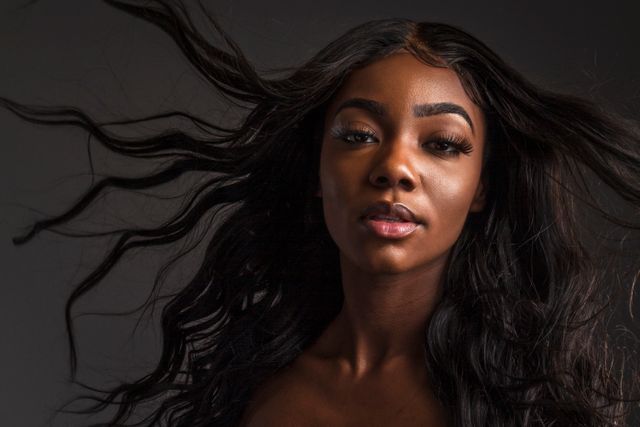
Hair has long been one of the most visible expressions of personal identity. Whether someone is navigating hair thinning, recovering from a medical condition, or simply curious about a fresh look, hair extensions offer a meaningful and practical path forward. The connection between appearance and self-perception runs surprisingly deep, and for many people, achieving fuller, longer, or more textured hair can genuinely shift how they move through the world each day.
The Relationship Between Hair and Self-Confidence
Physical appearance plays a documented role in how people carry themselves, both professionally and socially. When someone feels dissatisfied with their hair due to thinning, breakage, or stubborn lack of volume, that frustration can quietly chip away at confidence over time. Hair extensions, including toppers and clip-in pieces, address these concerns in a non-invasive, reversible way that puts control back in the individual’s hands. Psychology research has consistently shown that feeling at ease with one’s appearance supports stronger social engagement, a more assured professional presence, and greater overall life satisfaction. For many people, changing their hair isn’t about vanity at all. It’s about reclaiming a sense of comfort and confidence in everyday life.
Understanding the Different Types of Hair Extensions
Not all hair extensions work the same way, and knowing the options available makes it much easier to choose wisely. Clip-in extensions remain among the most popular choices because they can be applied, removed, and adjusted at home without any professional assistance. Tape-in extensions offer a semi-permanent alternative that lies flat against the scalp, creating a natural appearance that holds up well over several weeks. Sew-in or weave extensions are typically installed by a stylist and tend to suit those with thicker hair textures who want lasting volume or length. Hair toppers, which are positioned at the crown of the head, are particularly well-suited for individuals dealing with localized thinning or hair loss along the part line. Each method carries its own considerations around cost, upkeep, and compatibility with different hair types, so it’s worth taking the time to explore which approach fits best.
The Importance of Choosing Quality Hair
The material of a hair extension has a significant impact on how it looks, feels, and holds up with regular use. Synthetic fibers tend to be more budget-friendly, but they generally lack the realistic movement and texture of natural hair and can’t typically be heat-styled without damage. High-quality human hair extensions, by contrast, can be washed, conditioned, colored, and styled much like one’s own hair, making them far more adaptable to different routines and occasions. A high quality real human hair topper, for example, integrates seamlessly with natural hair and can be customized to match a person’s exact color and texture, which matters enormously when the goal is a believable, polished result. Choosing quality materials from reputable sources not only improves the aesthetic outcome but also extends the product’s lifespan, making it a more sensible long-term investment.
How Extensions Influence Personal Style
Beyond solving hair concerns, extensions open up a genuinely creative space for personal expression. Many people use clip-in extensions to experiment with length or color before committing to a permanent change, which takes a lot of the risk out of bold styling decisions. Adding volume to fine hair can completely shift how an outfit or a makeup look comes together, often elevating an entire aesthetic with surprisingly little additional effort. Extensions also make it possible to try protective styles, braids, or updos that simply wouldn’t work with shorter or thinner natural hair. This kind of flexibility makes extensions a practical tool for anyone who enjoys adapting their appearance to different occasions, seasons, or moods. That freedom to shift one’s look with ease can encourage a more adventurous approach to personal style overall.
Caring for Extensions to Maximize Their Benefits
Proper maintenance is what keeps extensions looking their best and ensures they don’t put undue stress on natural hair. Sulfate-free shampoos and lightweight conditioners help preserve the integrity of both the extensions and the natural hair underneath them. Heat protectants should always be applied before using styling tools, especially when working with human hair extensions that are regularly exposed to blow dryers, curling wands, or flat irons. Brushing regularly with a soft-bristle or loop brush prevents tangling and matting, which becomes especially important with longer styles that see a lot of daily movement. Storing clip-in extensions in a breathable bag or box when they’re not in use cuts down on unnecessary friction and helps extend their usable life considerably.
Conclusion
Hair extensions have evolved well beyond a simple cosmetic accessory. For many people, they represent a genuinely practical solution to hair concerns that quietly affect daily confidence and self-image. Whether someone is managing thinning hair, exploring new styles, or just looking for a little more fullness in their everyday look, extensions offer a flexible and accessible way forward. The key lies in understanding what’s available, prioritizing quality materials, and committing to consistent care. When those elements come together, hair extensions can become a truly transformative part of how someone presents themselves to the world and, perhaps more importantly, how they feel within it.

Hi, I’m Gudda Singh Rauthan, but most people call me Gudda. Originally from Jaspur, Uttarakhand, my journey has been full of struggles and learning. I’ve worked in various fields, from factory labor to the BPO industry, and along the way, I discovered my love for writing. Through this blog, I share my experiences and insights to help others build a winning mindset and stay motivated, no matter the challenges they face.