
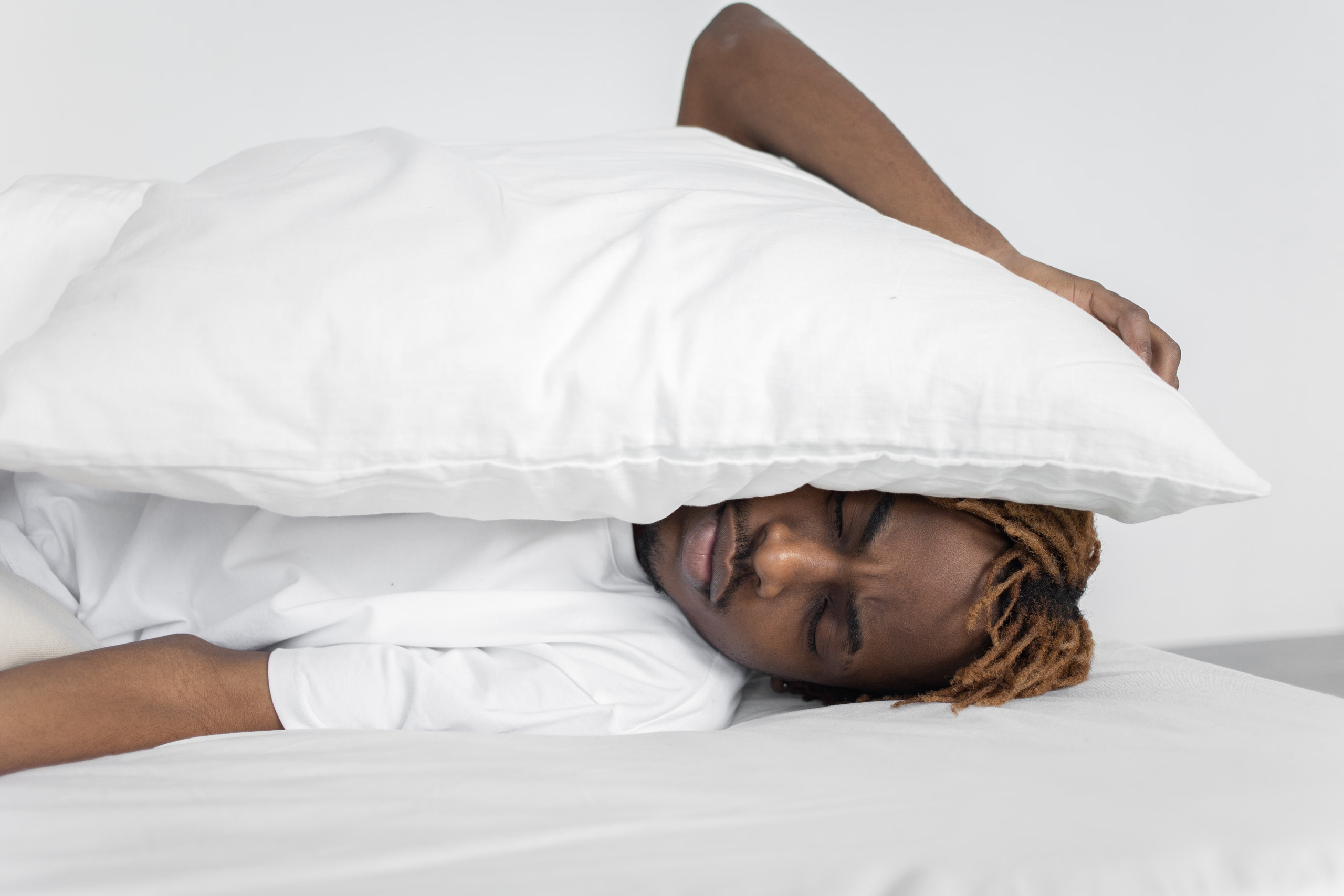
Image via Pexels

Have you ever considered that the quality of your sleep might be directly connected to the health of your teeth and mouth? Most people separate these two areas of wellness, but emerging evidence and clinical experience suggest that dental health plays a surprisingly significant role in sleep quality. When teeth and gum conditions go unaddressed, they can trigger a cascade of problems that ripple through your sleep-wake cycle, affecting how deeply you rest and how refreshed you feel in the morning. Understanding this connection empowers you to take meaningful action toward better sleep and overall health.
How Dental Problems Directly Disrupt Sleep Cycles
Dental issues create multiple pathways to poor sleep, starting with physical discomfort and extending into systemic effects on breathing and nervous system function. Tooth pain and sensitivity represent the most obvious disruption, because when your mouth hurts, your brain remains in a heightened state of alertness that makes it difficult to progress through the deeper, more restorative stages of sleep. Even low-grade tooth pain that you might tolerate during waking hours becomes magnified at night when fewer competing stimuli demand your attention. The pain can wake you from sleep or prevent you from falling asleep in the first place, fragmenting your sleep architecture and leaving you exhausted by morning. Over many nights, this pattern of interrupted rest accumulates into a significant sleep deficit that affects mood, cognitive function, and physical health.
Beyond pain, dental problems influence your sleep through their effect on your ability to breathe properly. Conditions such as misaligned teeth, jaw problems, and other oral structural issues can narrow your airway or position your tongue in ways that interfere with smooth breathing during sleep. This obstruction forces your body to work harder throughout the night, increasing arousal frequency and preventing you from reaching the deep, restorative phases of sleep. Your nervous system treats breathing difficulties as a threat, triggering a stress response that floods your body with cortisol and adrenaline, which keep you in a lighter sleep state and can wake you multiple times throughout the night. Over time, this disrupted sleep pattern contributes to daytime fatigue, difficulty concentrating, and impaired immune function. Addressing the structural dental factors behind these breathing problems is therefore not simply a cosmetic concern but a meaningful health priority.
Inflammation from untreated dental disease also plays a significant role in sleep disruption. When gum disease or tooth infections go untreated, the resulting inflammation sends signals throughout your body that activate your immune system and increase systemic inflammation. This inflammatory state makes it harder for your body to relax into sleep and easier to be roused by minor disturbances. The infection itself can cause discomfort that varies throughout the day and often worsens at night when lying down, since inflammation naturally increases in that position. The combination of pain, systemic inflammation, and sustained immune system activation creates multiple simultaneous obstacles to peaceful, continuous sleep. Resolving the dental source of this inflammation is frequently necessary before meaningful improvements in sleep quality can occur.
Sleep Apnea and Dental Structure
One of the most consequential relationships between dental health and sleep involves obstructive sleep apnea, a condition where the airway becomes partially or completely blocked during sleep. The structure of your mouth, teeth, and jaw significantly influences your susceptibility to this condition. People with certain dental characteristics, such as a smaller jaw, a longer soft palate, or teeth positioned in ways that restrict airway space, face higher risk for sleep apnea. When your airway narrows or collapses, your body’s oxygen levels drop, triggering your brain to arouse you partially or fully so you resume breathing, and this can happen dozens or even hundreds of times per night. That repeated fragmentation prevents you from spending adequate time in deep, restorative sleep stages, leaving you chronically fatigued even after seemingly full nights of rest.
The relationship between dental anatomy and sleep apnea is complex because multiple anatomical factors interact simultaneously. Crowded or misaligned teeth may push the tongue backward into the throat, narrowing the airway when the muscles relax during sleep. If the upper and lower jaws do not align properly, that misalignment can reduce the space available for unobstructed breathing. Bone density in the jaw and the degree to which the jaw sits forward or back relative to the skull both influence whether the airway has adequate space during sleep. Some dental professionals screen patients for sleep apnea risk by evaluating these anatomical factors during routine examinations, making dental visits an underutilized opportunity for early identification of a potentially serious sleep disorder.
Treatment options that address dental structure can significantly improve sleep apnea symptoms in many patients. Orthodontic treatment to reposition teeth and improve jaw alignment can open up additional airway space, and custom-fitted oral appliances that gently move the lower jaw forward during sleep are specifically designed to counteract the airway collapse that causes apnea. These devices work by increasing airway space and keeping the tongue from blocking the throat during sleep, and patients who use them often report substantial improvements in sleep quality and daytime alertness. For some people, addressing dental structure through these means reduces or eliminates the need for other sleep apnea treatments. Patients dealing with more complex structural concerns, such as jaw misalignment contributing to chronic airway obstruction, often rely on oral surgery in Cleburne to correct underlying anatomical issues that non-surgical approaches cannot fully resolve. Surgical correction in these cases addresses the root cause rather than managing symptoms alone.
Teeth Grinding, Clenching, and Sleep Quality
Bruxism, the medical term for teeth grinding or clenching, represents another significant way that dental function directly affects sleep. Many people grind their teeth at night without being aware of it, and this habit causes several problems that undermine sleep quality. The muscular tension required for grinding creates strain in the jaw, facial muscles, and the neck and shoulders, and this tension prevents the body from fully relaxing into sleep. That muscular strain can wake you from sleep, particularly during episodes of intense clenching, and also contributes to morning headaches and jaw soreness that affect how you feel throughout the day. Over extended periods, chronic bruxism reshapes the relationship between dental health and sleep into a progressively worsening cycle.
Teeth grinding causes progressive damage to dental structure that creates additional problems for sleep over time. The repeated mechanical stress wears down tooth enamel, flattens tooth surfaces, and can crack or chip teeth, making them increasingly sensitive to temperature and pressure changes. That sensitivity generates pain that interferes with sleep, and the damage also accelerates gum recession and creates areas where bacteria accumulate, leading to gum disease and secondary infection. Each of these consequences produces pain or inflammation that further disrupts sleep quality, and because the damage is cumulative, untreated bruxism creates an escalating cycle where sleep quality worsens progressively over months and years. Protective interventions initiated early can interrupt this progression and prevent the more serious structural damage that requires complex repair.
The underlying causes of bruxism deserve attention because they connect to broader sleep and stress patterns. Stress and anxiety are major triggers for teeth grinding, meaning that emotional tension directly translates into nighttime grinding that disrupts sleep. Sleep disorders such as sleep apnea frequently accompany bruxism, creating a situation where multiple dental and sleep problems compound each other. Caffeine consumption in the afternoon and evening increases the likelihood of grinding during sleep, and alcohol consumption triggers or worsens bruxism in many people. Addressing bruxism often requires a multi-faceted approach that includes stress management, caffeine reduction, and protective interventions such as wearing a custom night guard to prevent enamel damage and reduce unconscious grinding activity. Evaluating all contributing factors simultaneously tends to produce better outcomes than addressing any single cause in isolation.
Gum Disease, Inflammation, and Sleep Disruption
Periodontal disease, commonly known as gum disease, affects millions of people and creates a powerful link between dental health and sleep quality through its inflammatory effects on the entire body. When bacteria accumulate in the mouth and gums become infected, the resulting immune response produces systemic inflammation, meaning inflammation throughout the entire body rather than just in the mouth. This systemic inflammation increases resting heart rate, elevates core body temperature, and keeps the nervous system in a more activated state, all of which work directly against the calm, relaxed condition your body needs to fall asleep and stay asleep deeply. Numerous clinical studies have linked this inflammatory state to disrupted sleep patterns and reduced sleep quality. The scale of gum disease prevalence makes it one of the most commonly overlooked contributors to chronic sleep difficulties.
The inflammatory cytokines released during gum disease also affect the brain’s regulation of sleep. Certain immune signaling molecules produced in response to infection can cross the blood-brain barrier and influence the brain regions responsible for sleep-wake regulation. This means that a gum infection can alter the chemical signals that control sleep, making it physiologically harder to sleep even in the absence of noticeable pain. The presence of chronic infection in the mouth keeps the immune system in a heightened state of vigilance, and the body essentially remains on alert against the ongoing bacterial threat, making deep relaxation and restorative sleep difficult to sustain. People with untreated gum disease often report non-specific sleep problems such as difficulty falling asleep, frequent night wakings, and an overall sense of unrefreshing sleep that they may not immediately associate with their dental condition.
Treating gum disease often leads to noticeable improvements in sleep quality, suggesting that the inflammatory component is genuinely contributing to the sleep disruption rather than merely coinciding with it. Professional dental cleanings to remove bacterial buildup, improved home hygiene practices, and in some cases antibiotic treatment can reduce the infection and resulting inflammation in the mouth. As the gum infection resolves, systemic inflammation decreases, and many patients report that they fall asleep more easily, sleep more deeply, and wake up fewer times during the night. Inflammatory markers in the blood typically decrease as well, indicating genuine systemic improvement beyond the mouth. This connection between gum disease and sleep demonstrates how resolving a localized dental problem can have broader implications for overall health and well-being that extend well beyond the oral cavity.
Sleep Position, Dental Health, and Airway Mechanics
Your sleep position influences both how your teeth are positioned and how your airway functions during sleep, creating another important link between dental health and sleep quality. The position you sleep in determines whether your tongue falls backward into your airway, whether your jaw relaxes into positions that restrict breathing, and the amount of pressure exerted on your teeth and jaw throughout the night. Side sleeping places sustained pressure on whichever side of the mouth is against the pillow, potentially contributing to jaw discomfort and uneven mechanical stress on the teeth and surrounding bone. Back sleeping, by contrast, can allow the tongue to relax into a position that partially blocks the airway, particularly in people who already have dental or skeletal features that narrow the available airway space. The interaction between sleep position and airway function means that changing body position can meaningfully alter breathing quality, even without any other intervention.
The relationship between sleep position and airway obstruction is especially relevant for people with sleep apnea risk factors or an existing sleep apnea diagnosis. Positional sleep apnea, where breathing obstruction occurs primarily when sleeping on the back, is recognized as a distinct variation of the condition and affects a significant proportion of people with obstructive apnea. Dentists and sleep specialists sometimes recommend specific sleeping positions to patients based on their dental anatomy and observed breathing patterns during sleep studies. Some people find that side sleeping dramatically improves their sleep apnea symptoms and overall sleep quality without requiring additional interventions. Others benefit from elevating the head of the bed slightly, which reduces the likelihood that the tongue will fall backward and obstruct the throat, and which also decreases the natural nighttime increase in nasal congestion that can drive mouth breathing.
Beyond airway considerations, sleep position affects the mechanical forces acting on the teeth and jaw throughout the night. Sleeping with a cheek pressed against a pillow for seven to nine hours exerts sustained compressive force on that side of the face, which can contribute to jaw joint pain, uneven tooth wear, and over time, subtle influences on dental alignment. From a dental perspective, the most neutral sleep position is side sleeping with a supportive pillow that keeps the head aligned with the spine without compressing the jaw or face. Some dental professionals recommend pillows specifically contoured to support proper head and neck alignment, reducing stress on jaw joints and the surrounding musculature during sleep. Making informed choices about sleep position, guided by individual dental anatomy and airway characteristics, can contribute meaningfully to both sleep quality and the long-term structural health of the teeth and jaw. When these position-based strategies are combined with appropriate dental treatments, the cumulative benefit to sleep can be substantial.
Dry Mouth, Nighttime Breathing, and Sleep Quality
Dry mouth, medically known as xerostomia, creates a cascade of problems that affect both sleep and dental health simultaneously. When the mouth does not produce adequate saliva during sleep, it loses the protective functions that saliva normally provides, including neutralizing acids, inhibiting bacterial growth, and facilitating comfortable swallowing. Without sufficient saliva, the mouth becomes an ideal environment for bacterial proliferation and tooth decay, and the resulting discomfort from these conditions can interrupt sleep. Dry mouth is also closely associated with mouth breathing rather than nasal breathing during sleep, a pattern that further reduces saliva production and can trigger or worsen sleep apnea symptoms. The relationship between dry mouth and sleep disruption is therefore bidirectional, with each condition reinforcing the other throughout the night.
Several common factors contribute to dry mouth that worsens during sleep. Certain medications, particularly antihistamines, decongestants, and some antidepressants, reduce saliva production as a side effect. Habitual mouth breathing, whether caused by nasal congestion, structural nasal issues, or longstanding habit, strips the mouth of the humidity that nasal breathing naturally provides. Sleep apnea itself frequently causes dry mouth, because repeated partial awakenings associated with apnea episodes often trigger mouth breathing during the recovery breaths that follow. Seasonal allergies and chronic nasal congestion also drive mouth breathing habits, particularly when nasal obstruction makes comfortable nasal breathing impossible throughout the night. Together, these factors can create a persistent cycle of dryness that compounds dental vulnerability and degrades sleep quality simultaneously.
Addressing dry mouth often produces improvements in both sleep quality and dental health. Staying well hydrated throughout the day and evening supports adequate baseline saliva production, and identifying the root cause of dry mouth, whether that is medication side effects, nasal obstruction, or sleep apnea, targets the problem at its source. Using a humidifier in the bedroom, particularly in dry climates or during winter months when indoor heating reduces ambient humidity, can reduce the drying effect of nighttime mouth breathing. Nasal strips and saline rinses can open nasal passages and encourage nasal breathing patterns rather than mouth breathing. Addressing nasal obstruction through evaluation by a healthcare provider may reveal treatable structural or inflammatory causes that, once resolved, allow natural nasal breathing to resume. These combined interventions protect both the teeth from the decay risks associated with dry mouth and the quality of sleep that dry mouth and mouth breathing undermine.
Conclusion
The connection between dental health and sleep quality is more substantial and multifaceted than most people recognize. Dental problems affect sleep through numerous mechanisms, including direct pain and discomfort, airway obstruction related to dental and jaw structure, the systemic inflammatory effects of gum disease, muscular tension from teeth grinding and clenching, the mechanics of sleep position, and dry mouth conditions that worsen both sleep and dental health. Each of these pathways demonstrates that poor dental health and poor sleep quality are interconnected problems that benefit from being addressed together rather than as isolated concerns.
Maintaining consistent dental hygiene through regular brushing and flossing, attending routine dental cleanings and evaluations, and promptly addressing emerging dental problems all contribute to better sleep outcomes. Discussing sleep quality with your dentist allows them to evaluate whether your dental or jaw structure may be contributing to your sleep difficulties, and mentioning any known sleep disorders to your dentist helps them understand your full health picture. Many sleep and dental problems respond well to targeted interventions, from oral appliances designed for sleep apnea to periodontal treatment for gum disease to night guards and stress management strategies for bruxism. Recognizing and addressing the dental factors that influence sleep is a concrete step toward better rest, improved daytime function, and long-term health.

Hi, I’m Gudda Singh Rauthan, but most people call me Gudda. Originally from Jaspur, Uttarakhand, my journey has been full of struggles and learning. I’ve worked in various fields, from factory labor to the BPO industry, and along the way, I discovered my love for writing. Through this blog, I share my experiences and insights to help others build a winning mindset and stay motivated, no matter the challenges they face.