

Image via Pexels
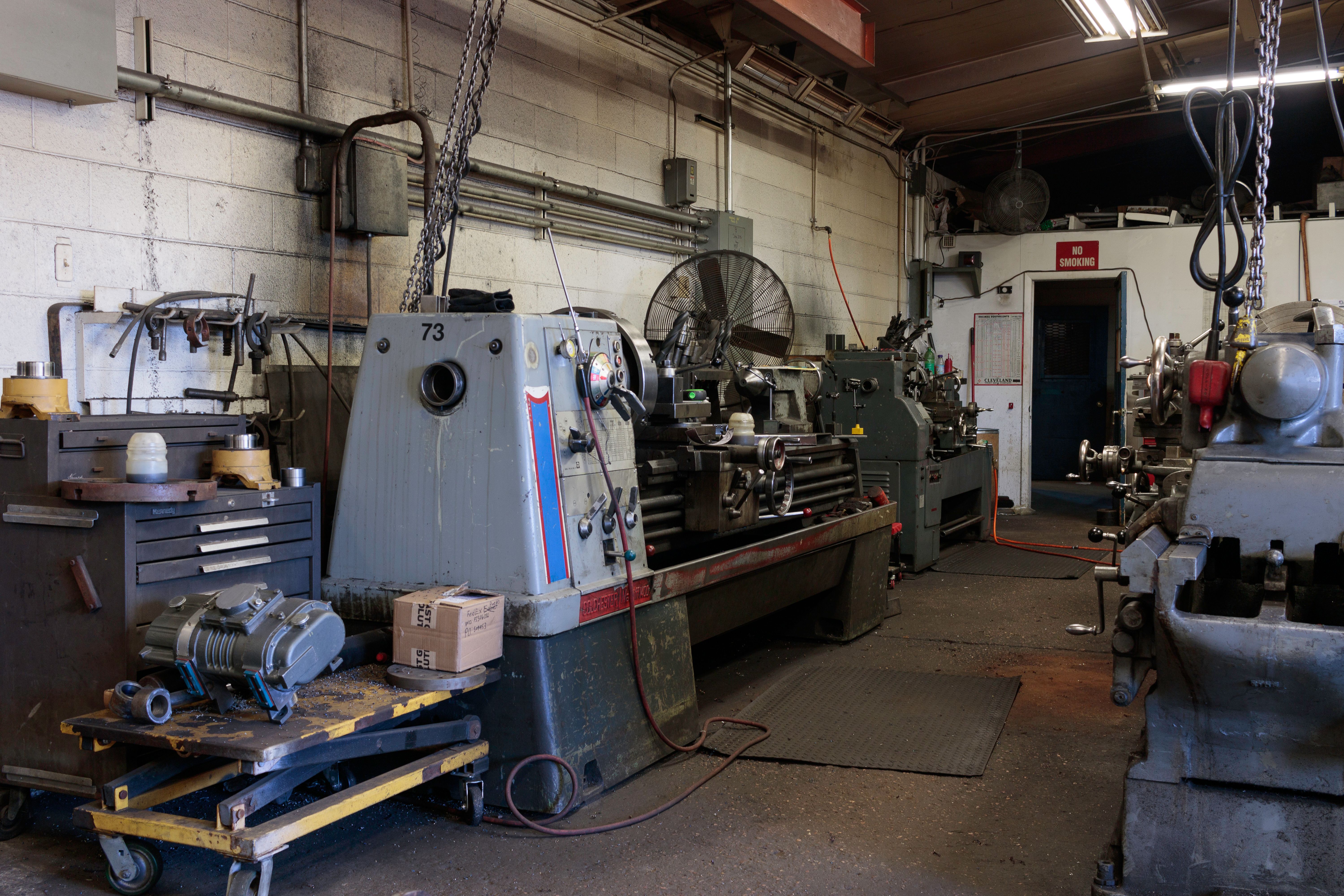
Every manufacturing facility relies on its machinery to function as expected, day after day, without fail. Yet it is easy for maintenance to slip down the priority list when production schedules are tight and deadlines loom. This reactive mindset, waiting for something to break before addressing it, often costs far more than a proactive maintenance strategy ever would. From equipment longevity to workplace safety, the benefits of consistent machine maintenance ripple through nearly every part of a manufacturing operation. Understanding these benefits can help facility managers make the case for prioritizing maintenance as a core operational strategy rather than an occasional obligation.
Reducing the Risk of Unexpected Breakdowns
Few things disrupt a production schedule as severely as an unexpected equipment failure. When a critical machine goes down without warning, the consequences extend beyond the immediate repair, delayed orders, idle staff, and frustrated customers waiting on shipments that suddenly cannot be met. Scheduled maintenance checks allow technicians to catch early warning signs, such as unusual vibrations, temperature fluctuations, or worn components, before they escalate into major failures. Facilities that build predictive and preventive maintenance into their regular operations tend to experience far fewer emergency repairs, allowing production to continue at a steady, predictable pace rather than being interrupted by avoidable crises.
Protecting Your Equipment Investment
Manufacturing equipment represents one of the largest capital investments a business will make, and protecting that investment requires ongoing attention. Machines subjected to inconsistent care tend to wear out faster, as dirt, residue, and material buildup place unnecessary strain on internal components over time. For facilities running extrusion equipment, incorporating commercial purging compounds into the maintenance routine helps clear out leftover resin, color, and contaminants from the screw and barrel during changeovers, reducing mechanical strain and helping equipment perform reliably for a longer service life. Treating maintenance as an investment in equipment longevity, rather than a mere expense, often pays for itself many times over through delayed replacement costs and fewer major repairs.
Ensuring Consistent Product Quality
When machinery is not properly maintained, product quality is often the first thing to suffer, sometimes in ways that are not immediately obvious. Misaligned components, worn tooling, or gradual calibration drift can introduce subtle inconsistencies that lead to increased scrap rates and customer complaints down the line. In industries where tight tolerances and consistent output are essential, even minor equipment issues can have outsized effects on the finished product. Routine maintenance checks that include calibration verification and performance testing help ensure machinery continues operating within specification, allowing manufacturers to maintain the quality standards their customers expect without unexpected surprises.
Prioritizing Worker Safety
Beyond production and cost concerns, machine maintenance is fundamentally a matter of workplace safety. Equipment that is poorly maintained is far more likely to malfunction unpredictably, putting the operators who work with it every day at unnecessary risk. Routine inspections help identify potential hazards, such as damaged guards, frayed electrical components, or weakened structural parts, before they lead to injury. A workplace culture that treats maintenance seriously tends to reflect a broader commitment to employee wellbeing, and this commitment often translates into stronger morale, lower turnover, and a safer facility overall.
Boosting Long-Term Operational Efficiency
Well-maintained machinery consistently outperforms neglected equipment in terms of speed, energy consumption, and overall reliability. When machines run efficiently, production schedules stay on track, energy costs stay manageable, and unplanned interruptions become far less frequent. Tracking maintenance history over time also provides valuable data that can inform decisions about equipment upgrades, staffing needs, or process improvements. Rather than viewing maintenance purely as a cost of doing business, manufacturers who take a strategic approach to it often find that it becomes a genuine driver of operational efficiency and long-term competitiveness.
Conclusion
Machine maintenance touches nearly every dimension of a manufacturing operation, from cost control and product consistency to worker safety and overall efficiency. Facilities that commit to proactive, consistent maintenance practices position themselves for fewer disruptions, longer-lasting equipment, and a stronger reputation for reliability among customers and partners alike. As manufacturing continues to grow more competitive, treating maintenance as a strategic priority rather than an afterthought remains one of the most effective decisions any facility can make.

Hi, I’m Gudda Singh Rauthan, but most people call me Gudda. Originally from Jaspur, Uttarakhand, my journey has been full of struggles and learning. I’ve worked in various fields, from factory labor to the BPO industry, and along the way, I discovered my love for writing. Through this blog, I share my experiences and insights to help others build a winning mindset and stay motivated, no matter the challenges they face.
1 thought on “Why Machine Maintenance is Important to Your Manufacturing”