
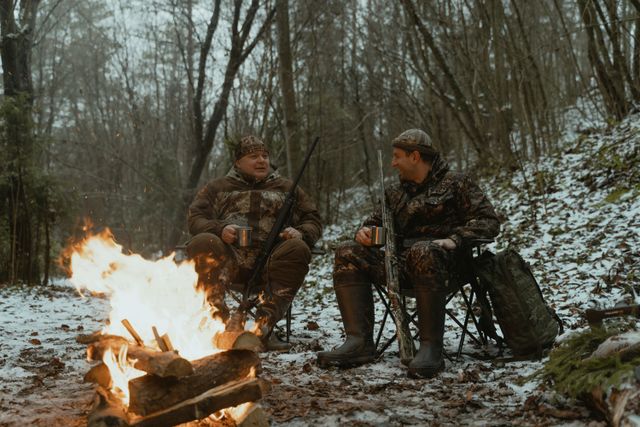
Burned a full day in the field, then realized you’d been in the wrong place the whole time? Brutal. It’s more common than most hunters will ever admit out loud. Plenty of folks drop real money on gear and tags, then skip the strategic homework that actually separates a productive trip from a wasted one. What makes a location worth hunting, figured out before you ever lace up, changes everything. That gap between a seasoned hunter and a constantly frustrated beginner? Almost always comes down to how well they read a location.
1. Water Sources and Their Seasonal Patterns
Water pulls wildlife in like almost nothing else. Animals drink on a schedule. They follow predictable routes based on what’s available and what’s clean. Dry seasons are almost too straightforward: animals bunch near whatever reliable water remains, concentrating them for hunters willing to do the legwork. Wetter periods scatter them across the landscape. Harder.
A creek running strong through July might be half-dry come October, pushing deer toward springs or seeps they’d normally ignore. That shift matters enormously. Scout water sources and you start seeing trails, bedding areas, feeding habits; the whole picture snaps into focus. Cover matters too; a water hole ringed by thick brush draws cautious animals far more reliably than one sitting exposed in an open clearing. Get out there before the season. You’ll already know where they’ll be when it opens.
2. Food Sources and Seasonal Availability
Game moves with the food. That simple. What deer, elk, and other species eat shifts dramatically across seasons and regions, and those shifts are predictable if you’re paying attention. An acorn-loaded slope in October holds almost zero appeal by March, when fresh growth has popped up somewhere else entirely. Knowing what’s actually ripe right now, in your specific area, is a real edge.
Walk your locations before you hunt them. Berry bushes, clover patches, ag fields, oak stands, brushy draws; each pulls different species at different times. Hunters exploring the best places to hunt in Texas apply exactly this kind of seasonal food-source thinking to zero in on productive ground across some seriously varied terrain. Keep a notebook. Write down what plants are present, when they peak or go dormant, which animals are feeding on them; That accumulated detail becomes remarkably useful when you’re deciding where, and when, to hunt a given spot.
3. Terrain Features and Animal Movement Corridors
Landscape shape dictates how wildlife travels. Full stop. Animals follow the path of least resistance: ridgelines, valley floors, saddles between hills, pinch points where terrain or water narrows the available ground. Natural funnels. They concentrate movement into tight, predictable zones, and that’s exactly where patient hunters set up.
Look hard at saddles and low crossings between ridges. Animals use them constantly, not occasionally. Study elevation changes and vegetation density; under certain wind and temperature conditions, game prefers ridge tops, but thermals or pressure will push them into valleys. Don’t guess. Read the sign. Trails, droppings, rubs, fresh beds all tell you where animals are moving, not where you think they should be. Maps help. But boots on dirt confirm what maps never can. And watch your approach; blundering through a funnel you’ve been counting on is a fast way to blow the whole hunt before it starts.
4. Wind Direction and Weather Patterns
Wind ruins more hunts than bad luck ever will. Most game will trust its nose far more than its eyes, which means scent control isn’t optional; it’s foundational. That same stand that produced last Tuesday might be completely useless today if the wind shifted. Morning thermals behave differently than evening ones. Canyon country does genuinely strange things to air movement. Know your terrain’s quirks.
Pull historical weather data for your hunting area during your target window. Frontal passages are worth watching closely; animal activity often spikes hard in the day or two after a system pushes through. Cold snaps, rain, pressure drops; all of it nudges feeding and bedding behavior in ways you can anticipate. Before each sit, wind direction should drive your setup decision. Even a prime location turns worthless at the moment your scent drifts toward incoming animals. Scout under different wind conditions, so you understand how air actually moves through your specific terrain. Build a mental map of which setups work under which conditions. Then wait for everything to line up.
Conclusion
Good hunting isn’t luck. It’s preparation. Water sources, food availability, terrain corridors, wind and weather: these four elements work together, and hunters who genuinely understand all of them stop stumbling onto game and start putting themselves in front of it on purpose. Before your next trip, get out and scout with these factors driving every observation you make. Apply them consistently. Productive ground gets noticeably less mysterious, and your success rate will show it.

Hi, I’m Gudda Singh Rauthan, but most people call me Gudda. Originally from Jaspur, Uttarakhand, my journey has been full of struggles and learning. I’ve worked in various fields, from factory labor to the BPO industry, and along the way, I discovered my love for writing. Through this blog, I share my experiences and insights to help others build a winning mindset and stay motivated, no matter the challenges they face.